

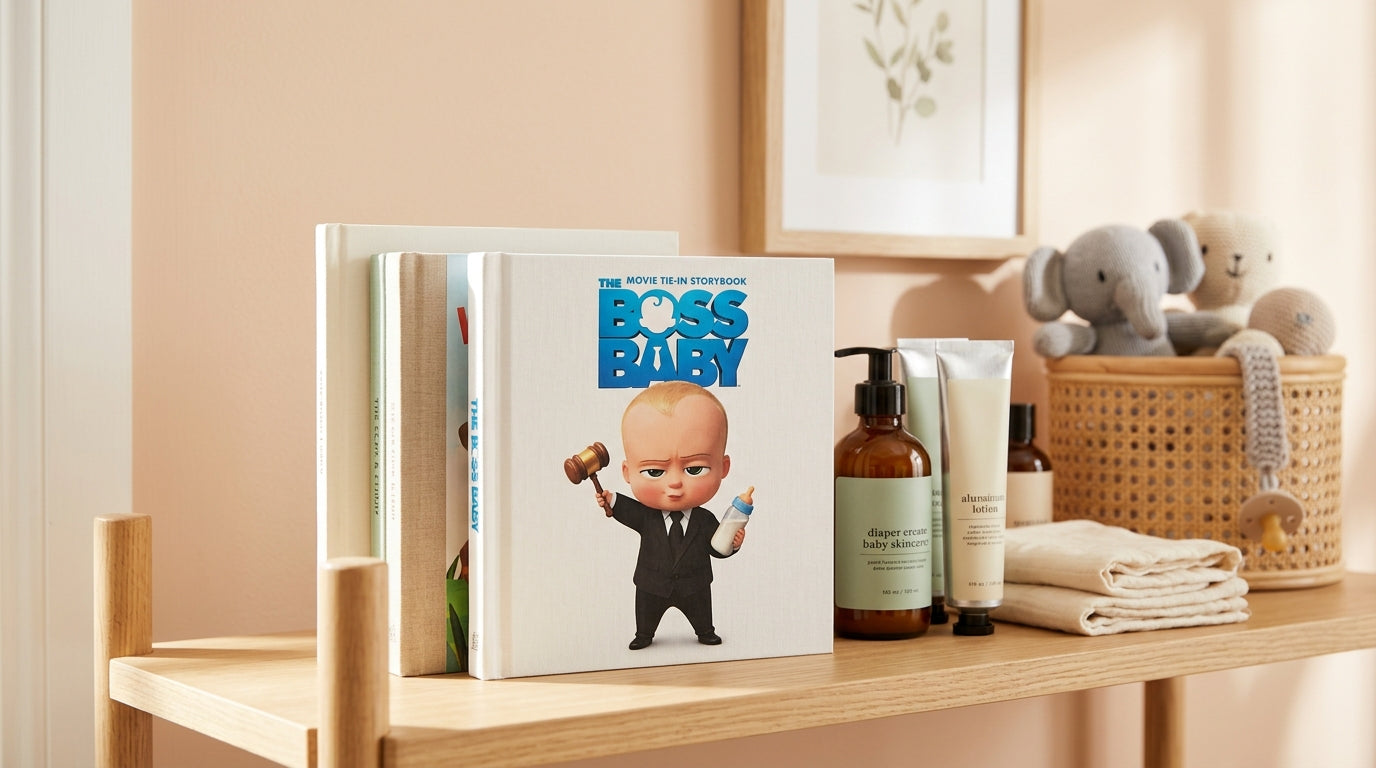
It was six in the evening. The Chicago wind was doing that thing where it aggressively rattles the windowpanes just to remind you that going outside is a terrible idea. My toddler was sitting on my knee, methodically crushing a graham cracker into the fabric of my sweatpants. I grabbed the remote, desperate for ninety minutes of uninterrupted quiet, and hit play on what I assumed was just another loud, pointless piece of animated plastic. I was prepared to zone out. Instead, I got completely triggered.
Before I had my own kid, I thought The Boss Baby was just a ridiculous corporate cash grab about an infant in a suit. I used to see families in the pediatric ward dealing with a new sibling, and I honestly thought sibling rivalry was just a brief, annoying phase you could medicate with extra snacks and a new toy. I judged parents who looked like they were losing their minds over a four-year-old acting out.
After having my own child and surviving the trenches, my entire perspective shifted. This specific baby movie isn't a comedy. It's a terrifyingly accurate documentary. It's a psychological thriller about the complete and total destruction of a firstborn's ecosystem. The metaphor of the infant as a hostile corporate takeover artist who demands 24/7 service, screams at management, and refuses to negotiate is the most clinically sound thing I've ever witnessed on screen.
The hostile takeover of your living room
Listen, bringing a newborn into a house that already has a toddler is like running a code blue in the emergency room while someone simultaneously asks you to make them a grilled cheese sandwich. You're bleeding, you're tired, and the alarms are going off. The movie beautifully captures the older brother's descent into madness. Tim, the seven-year-old protagonist, is basically experiencing postpartum depression by proxy.
He watches this tiny, bald dictator arrive in a taxi and immediately monopolize his parents' time, energy, and cognitive function. My doctor once told me that from an evolutionary standpoint, the older sibling genuinely fears for their survival when the new baby arrives, though honestly I think half of evolutionary psychology is just guessing based on who cries the loudest. But you see it in the film. The baby is the boss. The parents are sleep-deprived zombies carrying bottles like they're serving coffee to a tyrannical CEO.
I remember back when I was on the floor, we had an infant patient. We will call him Baby M on the chart for privacy. Baby M had the exact same demanding, rhythmic scream as the animated character. It was a sound that didn't just ask for attention, it demanded a hostile reorganization of your entire shift. When you watch the boss baby coordinate his little ninja baby friends to ruin Tim's life, you realize the writers definitely spent time in a postpartum ward observing the sheer dominance of a seven-pound human.
Equipping yourself for the infant CEO
If your own infant is currently acting like a demanding executive who refuses to sleep, they're probably teething. Teething is the ultimate management crisis. They're miserable, you're miserable, and nothing makes sense.
My toddler used to wake up at three in the morning acting like a shareholder whose stock just tanked. The only thing that stopped the absolute meltdown was the Panda Teether. I'm not exaggerating when I say this piece of food-grade silicone saved my sanity. It has this little bamboo detail that provides a multi-textured surface, which is just a fancy way of saying it hits the gums from all angles. It's flat, so they can actually hold it themselves instead of dropping it every four seconds and screaming at you to retrieve it. I'd throw it in the dishwasher at midnight and hand it back to him cold the next morning. It's completely non-toxic, which is good because he chewed on it like it owed him money.
While the baby is chewing on the panda, you've to do something with the older sibling so they stop trying to "help" you hold the infant. We tried the Gentle Baby Building Block Set. They're soft rubber, they don't have formaldehyde, and they float in the bath. They're fine. They won't change your life or teach your kid advanced calculus, but they'll buy you roughly fourteen minutes of peace while you try to nurse the newborn without a toddler trying to climb onto your shoulders.
The medical truth about babycorp
I need to spend a minute talking about the central mythology of this movie. The plot heavily relies on "BabyCorp," a massive factory in the clouds where infants are manufactured on a conveyor belt, sorted into "family" or "management," and then shipped down to earth in taxis.

This is obviously a convenient way to dodge the "where do babies come from" conversation. As a nurse, I usually advocate for using anatomically correct terms from day one because lying to kids just makes my job harder when they come in for a checkup. But I'll admit, when you're exhausted and your kid asks how the baby got in your tummy, telling them a magical corporation dropped it off via Uber sounds deeply appealing.
The problem is that the older child internalizes this. If the baby was shipped here, maybe they can be shipped back. That's the entire driving force of the first movie. Tim wants to box the boss baby up and return to sender. The sequel, which involves a magic formula that turns adults back into babies, is completely unhinged and best ignored entirely.
But that core desire to return the baby is a real, documented developmental phase. We see it in the clinic all the time. The older sibling regresses. They start wetting the bed. They ask for a pacifier even though they haven't used one in two years. They're testing the system to see if being a helpless infant is the only way to secure your love. You just have to ride it out, lower your standards, and ignore the judgment from your mother-in-law.
If you're in the thick of this transition right now, just take a breath. Browse our wooden play gyms to keep the newborn safely occupied on the floor while you try to convince your toddler that they're still your favorite.
The uniform of the tiny dictator
The visual gag of the movie is that Alec Baldwin's character wears a bespoke black suit, carries a briefcase, and wears a tie. It's funny because it's absurd. The actual uniform of a newborn is much less glamorous and involves significantly more bodily fluids.
You don't need to dress your infant in stiff, uncomfortable clothes just to take a picture for the internet. Their skin is incredibly reactive. I've seen a thousand rashes caused by cheap synthetic fabrics that trap heat and moisture against a newborn's delicate skin barrier.
The only thing a baby actually needs to wear is a Sleeveless Organic Cotton Baby Bodysuit. This is the real uniform. It's made of ninety-five percent organic cotton and a tiny bit of elastane, which means it stretches over their massive, wobbly heads without a struggle. It has envelope shoulders, which is a design feature I didn't appreciate until I had to roll a soiled onesie down my kid's body to avoid smearing a blowout across his face. The flat seams don't trigger eczema. Skip the tiny suits and the stiff jeans. Put them in soft cotton and call it a day.
Screen time triage
There's a lot of guilt wrapped up in letting your kids watch tv. The medical establishment loves to publish guidelines about zero screen time before age two. My doctor handed me that pamphlet with a completely straight face, knowing full well I had a newborn and a toddler and bags under my eyes that could hold groceries.

Screen time is a triage tool. When you're operating on three hours of broken sleep and the baby is cluster feeding, you put on the movie. The trick is co-viewing. You don't have to watch the whole thing, but sitting there and occasionally pointing out that Tim and the baby are learning to be on the same team helps bridge the gap. You use the movie's messy, chaotic narrative to remind your older kid that love isn't a pie with limited slices, even if it feels like the baby is eating all of it.
We're all just doing the best we can to keep these small humans alive. You don't need to be a perfect manager. You just need to survive the merger.
Before you queue up the movie for your own little dictator, make sure you've the right gear to keep everyone comfortable. Explore our organic baby clothes to stock up on the essentials that actually matter.
The messy realities of the sibling transition
Should I let my toddler watch this if they're already acting jealous?
Honestly, it might honestly help. Kids process their anxiety through projection. Watching Tim act like a complete psychopath because his routine was disrupted validates your toddler's feelings. Just be prepared to have a conversation afterward about why we don't seriously try to launch our baby brothers out of the window with a catapult. Remind them it's just a cartoon, yaar.
My older kid started having potty accidents since the baby arrived. Is this normal?
It's the most normal thing in the world. I see it constantly. They see the baby getting undivided attention for pooping their pants, and their little brains calculate that regression equals affection. Don't make a big deal out of it. Clean it up, hand them a mop to help, and make sure you spend ten minutes of uninterrupted time with them later where the baby is nowhere in sight.
Are the Kianao organic bodysuits really worth the extra money?
If your kid has skin like a normal human, maybe you can get away with the cheap multipacks. But if your baby gets red, angry patches every time they sweat, yes. The organic cotton breathes differently. You're paying to not have to slather them in hydrocortisone cream every three days. It's preventative maintenance.
How do I explain the "where do babies come from" thing if they watch the movie?
You read the room. If they're three, you just say it's a silly story and babies seriously grow in a tummy. If they're older, you can get into the biology. The movie gives you a perfect opening to ask them, "Do you really think babies come from a factory in the sky?" Let them answer. You will be surprised by how quickly they call out the logical inconsistencies themselves.
My baby hates all teethers. Will they honestly use the panda one?
Every baby is a harsh critic, beta. But the reason the panda usually works is the flat design. Those thick, round teething rings are too heavy for a four-month-old to manipulate. They drop it, get mad, and cry. The flat bamboo section gets right to the back of the gums where the pain honestly lives. Throw it in the fridge first to numb the area. If they still hate it, at least it's dishwasher safe for the next kid.




Share:
Don't Throw the Baby Out With the Bathwater: Note to Past Priya
Why That Baby Star They Regret Losing Drama Wrecked My Sleep