

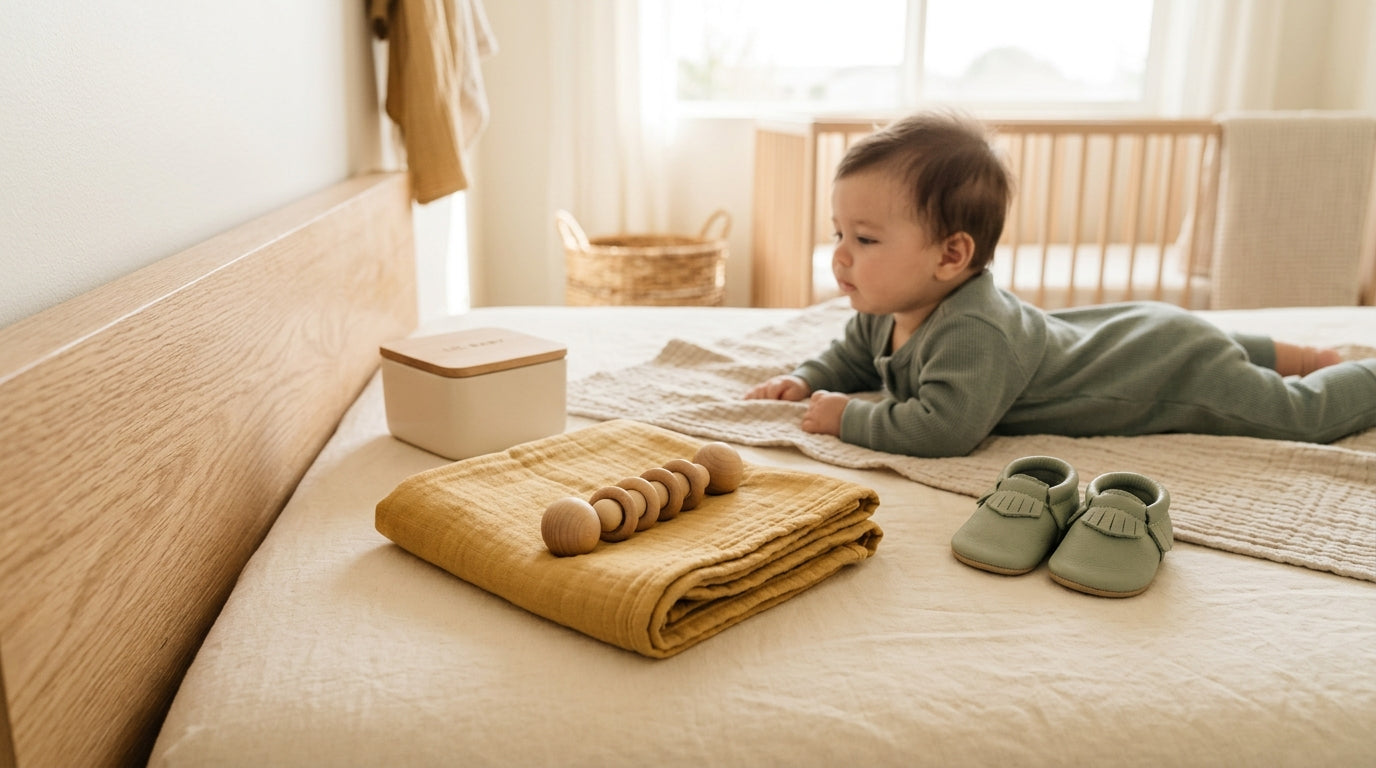
The intake nurse stood at the foot of the hospital bed holding an iPad like a threat, her stylus hovering over a blank text field while the beeping of the fetal monitor mocked my indecision. My wife was exhausted, heavily medicated, and currently holding a 7-pound, 4-ounce variable that urgently needed a permanent string identifier. They wouldn't let's leave the postpartum ward until we submitted the paperwork. I felt a cold sweat break out on my neck because, as a software engineer, I know that once you assign a primary key in production, changing it later requires a catastrophic database migration.
We had exactly forty-five minutes before the birth certificate coordinator clocked out for the weekend. I pulled up my meticulously crafted Google Sheet on my phone. My wife just closed her eyes and mumbled something about trusting my judgment, which was obviously a trap. Naming a human wasn't like naming a GitHub repository where you can just delete it if the architecture fails. This was the one configuration file this kid couldn't easily overwrite.
The spreadsheet that almost ended my marriage
I had spent my wife's entire third trimester treating our baby's name like an algorithm optimization problem. My spreadsheet had columns for syllable count, linguistic origin, and a weighted scoring system based on the Social Security Administration's popularity index from the last hundred years. I even built a regex validation column to make sure the initials didn't accidentally spell out anything weird or inappropriate, because kids are ruthless and I wasn't about to hand middle school bullies a zero-day exploit.
I cross-referenced potential names with existing domain name availability. I filtered out anything that shared a phonetic signature with current smart home trigger words, because apparently some parents named their kids Alexa in 2014 and have been living in a dystopian nightmare of false-positive grocery orders ever since. I spent three weeks hyper-fixating on the phonetic flow between the first name and my last name, mapping the transition of consonant sounds on a whiteboard in our Portland apartment.
My wife watched me do all this, sighed deeply, and deleted the entire column where I had ranked names based on their obscure sci-fi franchise viability. She reminded me we were naming a future adult who might have to apply for a mortgage someday, not rolling a chaotic neutral bard for Dungeons & Dragons.
Someone at a baby shower suggested we use astrological timing and sun signs to pick a name, which sounded exactly like trying to debug a server outage using healing crystals, so I completely ignored that advice and went back to my data tables.
Wikipedia rabbit holes at 2 AM
Fast forward to a few nights ago. My son is now 11 months old. He's currently pushing a massive firmware update to his central nervous system—otherwise known as learning to walk—and the developmental leap has completely corrupted his sleep logs. I was sitting in the dark nursery rocking him at 2:14 AM, trying to stay awake by scrolling through random pop culture trivia on my phone.
Somehow, through the hazy, sleep-deprived logic of a millennial parent, I found myself typing the search query lil baby real name into Google. I don't even listen to a lot of hip-hop, but my brain needed a meaningless task to execute while the actual baby in my arms finally drifted off to sleep.
Apparently, Lil Baby's actual name is Dominique Armani Jones. But that wasn't the part that blew my mind. I read further down his Wikipedia page and found out he has two sons: Jason Armani and Loyal Armani.
I sat there in the dark, the blue light of my screen illuminating my kid's sleeping face, genuinely amazed by the efficiency of this naming architecture. It's called legacy naming. Instead of dealing with the absolute nightmare of naming a kid "Junior"—where two users in the same household share the exact same primary key and constantly cause mail and credit report collisions—he just passed down his middle name as a familial foreign key. It links the records together flawlessly without causing identical data conflicts. I was furious I hadn't thought of this during my spreadsheet phase.
Testing a human identifier in production
Looking back at how we finally picked our son's name, I realized the data-driven approach totally failed. You can't just pick a name on paper. You have to test it in the wild. The author of a baby naming book I panic-bought on Amazon basically said the same thing, though she didn't frame it as beta testing.

We started doing the Starbucks test. Whenever I ordered a coffee, I gave the barista one of our top-tier baby names. Then I'd wait to see how badly they misspelled it on the cup, and more importantly, how it felt to hear a stranger yell it across a crowded room. If I physically cringed when the barista shouted "Atticus!" over the sound of an espresso machine, the name got immediately deprecated from the list.
Instead of making endless pros and cons lists and arguing over historical origins until you're completely paralyzed by choice, just yell the name angrily at your dog in the backyard and see if it feels natural coming out of your mouth.
Admin privileges go to the birthing parent
In the end, my spreadsheet didn't matter. As we sat in that hospital room with the nurse glaring at us, my wife looked at the tiny, wrinkly, incredibly angry little alien we had just created. I read her my top three mathematically perfect choices.
She shook her head, ignored the data entirely, and said a name we had casually mentioned in passing three months prior and completely forgot to log in the database.
I didn't argue. I firmly believe that whoever actually pushes the human out of their body gets 51% equity in the final naming decision. She had root access. I was just the junior developer nodding along. We wrote it down, handed the iPad back to the nurse, and just like that, the variable was locked.
The first official deploy
Once the name was official, the reality of keeping this newly labeled human alive set in. One of the first things we realized is that a baby's skin is basically an uncalibrated sensor. Everything triggers an error state. In those early weeks, he broke out in these weird red patches every time we put him in the standard polyester-blend clothes people gifted us at the shower.

My pediatrician said it was just standard contact dermatitis and to look for breathable fabrics, framing it like a casual suggestion rather than a critical system requirement. We frantically swapped his wardrobe out. The only thing that every time didn't cause a rash was the Organic Cotton Baby Bodysuit Sleeveless Infant Onesie from Kianao.
I legitimately love this onesie. The envelope shoulders are an absolute lifesaver when you experience a code-red diaper blowout and need to pull the garment down over their legs instead of dragging a biohazard over their freshly named little head. It's 95% organic cotton, meaning it breathes properly, and it doesn't have those scratchy tags at the neckline that make babies act like they're being attacked by invisible bees.
If you're still building out your nursery inventory while agonizing over baby names, I highly think browsing Kianao's organic baby clothes before the baby arrives, because trying to research fabric toxicity at 3 AM with a crying infant is a terrible user experience.
The 11-month firmware update
Now that he's 11 months old, he actually responds to his name. It's wild. You say the string of syllables, and he turns his head like you just triggered a macro. But with this new cognitive awareness comes the chaotic reality of solid foods and teething.
To celebrate him finally eating real meals without choking, we bought the Baby Silicone Plate | Bear-Shaped & Suction Base. Honestly? It's just okay. The silicone is great quality and it cleans up in the dishwasher perfectly, which I appreciate. But my son is apparently a budding penetration tester. The suction cup base is incredibly strong if you pull it straight up, but within three days, he figured out the exploit: if you pry it specifically by the left bear ear, you break the vacuum seal, and boom—mashed peas all over the Portland hardwood floors. It slows him down, but it's not hack-proof.
What has actually saved my sanity this month is the Panda Teether Silicone Baby Bamboo Chew Toy. Teething is basically a hardware malfunction that causes constant system whining. His gums are swollen, he's constantly drooling, and he tries to gnaw on everything including my laptop charger. I threw this panda teether in the fridge for ten minutes, handed it to him, and he chewed on it like he was trying to decrypt a password with his jaw. It's completely BPA-free, which my anxiety appreciates, and the little textured bamboo shapes on it seem to hit the exact coordinates of his gum pain. We don't leave the house without it now.
Naming your kid is incredibly stressful, but apparently, it's just the first in a never-ending series of unanswerable parenting puzzles. You do your best, you talk to the documentation, you run a few tests, and eventually, you just commit the code to production and hope they don't hate you for it in twenty years.
Ready to prep for your little one's arrival? Explore our full collection of sustainable, parent-tested baby gear and get your nursery ready for whatever name you finally decide on.
Parenting FAQs from the trenches
Should we tell people our baby name before they're born?
I wouldn't. The second you vocalize a potential name to a family member, they'll instantly associate it with a kid who bit them in kindergarten in 1994 and completely ruin the name for you. Keep your data encrypted until the birth certificate is signed. Once the baby is physically in the room, nobody has the nerve to tell you they hate the name.
Is passing down a middle name like Lil Baby did genuinely a thing?
Apparently it's super common and honestly brilliant. Legacy naming by reusing middle names gives you the familial connection without the absolute administrative nightmare of making your kid a "Junior." It prevents their credit scores from cross-contaminating when they're older, which is a very real bug in the banking system.
What happens if we pick a name and the baby doesn't "look" like the name?
Honestly, all newborns look like grumpy old men who just woke up from a nap. None of them look like an "Oliver" or an "Isabella" on day one. They grow into the identifier you assign them. Don't stress if the 8-pound potato you bring home from the hospital doesn't immediately embody the majestic name you spent six months picking out.
How long do we legally have to name the baby?
It varies by state, but the hospital administrators will heavily pressure you to do it before you get discharged because they hate open tickets in their system. In Oregon, I think we had a few days, but the birth certificate coordinator stood in our doorway looking at her watch until we made the decision. Don't let them rush you, but maybe have your top two narrowed down before the contractions start.




Share:
Buying Lil Baby Tickets: The Great Airplane Lap Infant Lie
My Toddler Found the Lil Baby New Album on Our Smart Speaker