

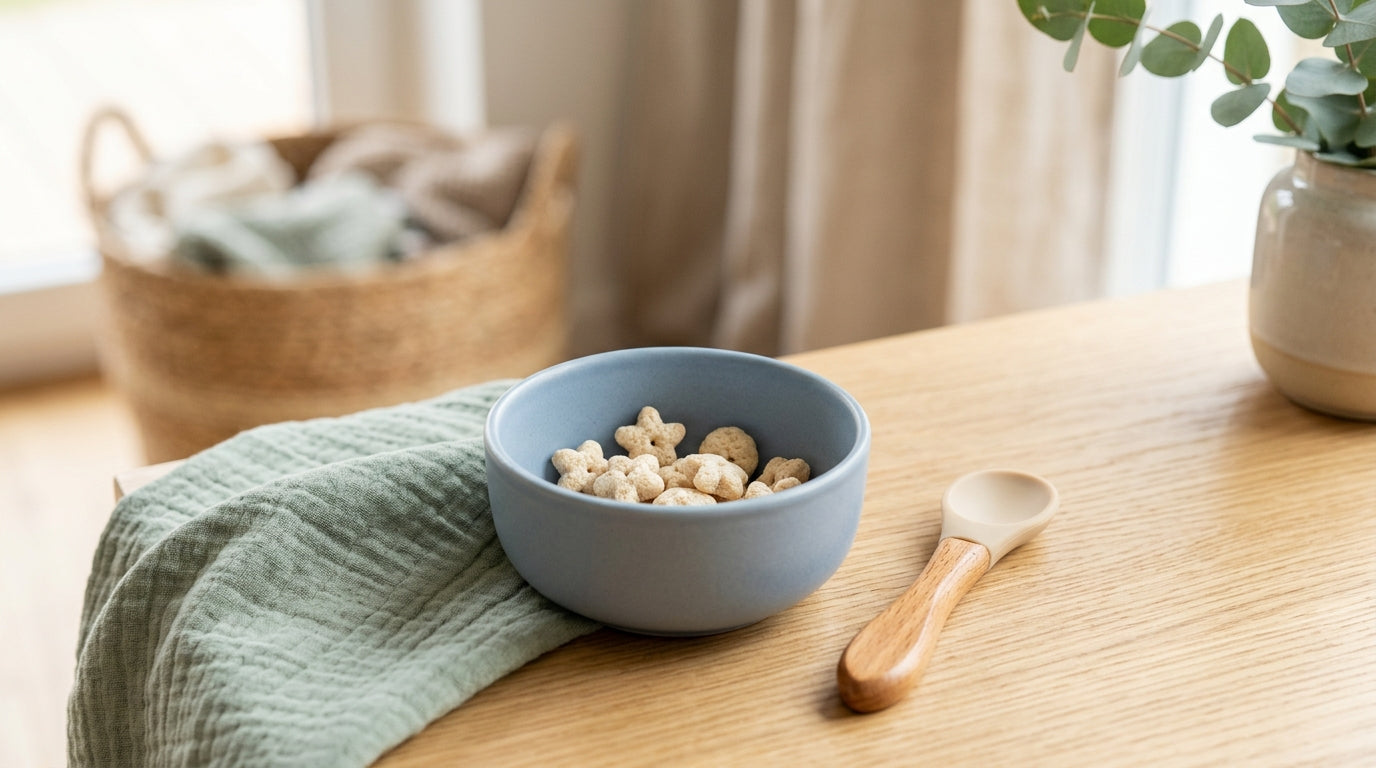
I was cleaning out my minivan last Tuesday—a task I only do when the smell of sour milk becomes physically unbearable—and I found it. Cemented to the floorboard beneath the car seat, practically fossilized into the upholstery, was a single, star-shaped piece of puffed rice. It had to be at least three years old. It belonged to my oldest son, who's now four and is my walking, talking cautionary tale for basically every parenting decision I make. Back when he was a baby, I bought those giant, two-dollar plastic canisters of cheap snacks because I was exhausted, broke, and didn't know any better. He essentially survived on air, arsenic, and sheer willpower for about three solid months, bless his heart.
Now that I'm on my third kid, I've had to relearn entirely how to handle the whole transition to solid food. It feels like the rules change every fifteen minutes, and if you listen to Instagram, handing your child a processed snack is basically a crime against humanity. But I'm just gonna be real with you—sometimes you just need five uninterrupted minutes to fold a load of laundry without someone screaming at your ankles, and throwing a handful of meltable dots onto a highchair tray is the only way to get it.
The great rice and heavy metal panic
My doctor handed me this terrifying printed flyer about heavy metals in baby food at our six-month checkup, and honestly, my first reaction was to roll my eyes. I figured it was just another internet-fueled panic designed to make moms feel guilty for not pureeing their own hand-foraged root vegetables. But apparently, there's actually something to it. I barely passed high school chemistry, but from what I gathered trying to read the reports late at night, rice acts like a giant sponge in the dirt and just sucks up all the naturally occurring arsenic in the ground water.
The weirdest part to me is that brown rice is somehow way worse than white rice, which feels like a betrayal because we've been told our whole lives that brown rice is the healthy choice. The science is a little fuzzy to me, but the gist is that the heavy metals sit in the outer layer of the grain, so giving a twenty-pound baby massive, concentrated handfuls of rice flour every single day means those metals just stack up in their tiny little bodies over time. So now, when my husband heads to the store to restock his affectionately named "baby p" stash (because he can't ever remember the brand names), I've to give him strict instructions on what to look for.
When you're standing in the grocery aisle having a minor existential crisis about baby puffs snacks, try to ignore the giant neon marketing letters and just flip the bag over to make sure the first ingredient isn't organic white rice flour or a hidden fruit juice concentrate before tossing it in your cart. Look for the ones made out of cassava, chickpeas, sorghum, or whatever ancient grain is trendy this week. The good brands, like Serenity Kids or Yumi, cost like five bucks for a bag that weighs less than a feather, which physically hurts my budget-conscious soul, but I just tell myself it's cheaper than paying for therapy or heavy metal detoxes down the road.
What these meltable little dots are actually good for
My mom constantly tells me to just hand the baby a chunk of ripe banana and stop wasting money on fancy organic air. And maybe she's right in theory, but in practice, bananas are slimy, they slip out of chubby little fingers, and they cause massive meltdowns in my kitchen. Puffs are basically tiny, non-slippery training wheels for the pincer grasp.
Right around the time they're sitting up unassisted on that Wooden Baby Gym in the living room and finally managing to bat at the little hanging elephant without falling over, that's usually when they're ready to start practicing picking up food. Usually around eight months or so. They need to learn how to use their thumb and forefinger together, and a hard, dry snack is the easiest way for them to practice that motor skill without turning the high chair into a complete slip-and-slide.
They also dissolve the absolute second they make contact with baby spit. My middle child basically used them to figure out the mechanics of chewing and moving food around her mouth before she even had a single tooth in her head, which kept my anxiety about choking mostly at bay.
Oh, and dietitians say self-feeding teaches them independence and hunger cues, but whatever, they're just snacks.
The absolute nightmare of early allergen introduction
I need to rant about the peanut allergy thing for a minute, because nothing has caused me more anxiety as a mother. When my oldest was a baby, the advice was still kind of lingering around the idea that you should delay giving them highly allergenic foods. Now? My doctor looked me dead in the eye at our four-month visit and told me I needed to aggressively introduce peanuts, tree nuts, and eggs right away.

I don't completely understand the immunology behind it, but the current clinical studies suggest that if you expose their immune systems to these proteins super early, you can drop the risk of them developing a severe food allergy by a massive percentage. It sounds great on paper. It really does. But the reality of executing this is a literal nightmare.
Have you ever tried to feed actual, sticky peanut butter to a toothless infant? It's terrifying. It coats the roof of their mouth, it's thick, it's a massive choking hazard, and watering it down with breastmilk just makes this nasty, separated soup that they spit right back at you. This is where nut-based baby puffs are actually a godsend. Brands like PuffWorks make these peanut butter puffs that dissolve instantly, meaning I can honestly follow the doctor's orders for consistent allergen exposure without standing over the high chair having a panic attack with the infant Heimlich maneuver pulled up on my phone.
When the chewing gets out of hand
Of course, once they figure out how to bring things to their mouth, they don't stop at food. If my youngest isn't eating, she's gnawing on my fingers, her own toes, or the dog's tail. I grabbed one of those Panda Teether Silicone Baby Bamboo Chew Toys from Kianao a few months ago because I was exhausted and the bamboo design looked cute. Look, it's just okay. It definitely does the job, and the flat shape is easy for her to hold, but half the time she still bypasses it to chew on my TV remote instead. I'll say, though, being able to just chuck it into the dishwasher honestly instead of hand-scrubbing it's a major win for my sanity.
If you're trying to figure out how to survive the messy transition to solids without losing your mind or your aesthetic, take a quick break and browse through our Kianao solid food and playtime essentials.
Stop feeding them just air and humidity
Here's a deeply annoying fact about buying healthy, organic snacks without artificial preservatives: they go stale faster than you can blink. If you live down here in Texas, or anywhere with a hint of humidity, leaving the bag open for more than four seconds turns these crunchy little bites into chewy, sticky packing peanuts. You absolutely have to buy airtight silicone snack cups or glass jars to store them in, or you're literally just throwing a five-dollar bag of cassava flour straight into the garbage.

You also have to remember that you can't use them as a meal replacement. It's so tempting to just keep handing them cup after cup while you're trying to cook dinner, but they've basically zero nutritional density. My doctor hammered this home: serve them alongside real food.
I usually toss a handful onto a divided plate next to some mashed avocado or squished blueberries. Fair warning, though—the combination of dissolved puff dust and fruit juice creates a literal paste. My daughter wore her nice Flutter Sleeve Organic Cotton Baby Bodysuit to church a few weeks ago, and within ten minutes of me handing her a snack cup in the pew, she had somehow managed to wallpaper-paste the entire ruffled neckline with sweet potato dust and spit. I nearly cried because it's my favorite outfit of hers, but thank the Lord that organic cotton really washes clean without me having to scrub it with harsh, toxic stain removers. It survived, but lesson learned: nice outfits and self-feeding practice don't mix.
Alright y'all, if you're drowning in research and just need someone to give you the straight answers without the clinical jargon, grab a lukewarm coffee and check out the messy details below. And if you need gear that really holds up to the chaos of teething and snacking, grab what you need from Kianao before your next grocery run.
The messy details you honestly want to know
Are they genuinely a choking hazard?
Honestly, everything feels like a choking hazard when it's your first kid, but these are pretty low on the list. Because they're basically just extruded air and flour, they melt the second they touch saliva. My kids definitely gagged a few times early on because they shoved too many in at once, but gagging is just them learning where their gag reflex is. Just don't let them eat them laying down in the car seat.
How do I know my baby is ready for them?
My grandma swears my dad was eating off her plate at four months, but I prefer my kids to have some actual body control first. Don't go by age alone. If they can sit up on the floor without totally toppling over, can army crawl or get their tummy off the floor, and you catch them doing that weird little fake-chewing motion with their empty gums, they're probably ready to try. Usually, that hits around eight or nine months.
Is the heavy metal thing seriously real?
Yeah, unfortunately it's not just a crunchy-mom myth. Rice absorbs arsenic from the soil, and since babies are so tiny, eating massive amounts of rice-based snacks every day concentrates those metals in their bodies. You don't need to panic if you've already fed them rice puffs—my oldest ate his body weight in them and he's fine—but going forward, just switch up the grains. Buy the cassava or oat ones instead.
Can I just use them to introduce peanut butter?
Yes, and it's the only way I do it now. Trying to feed a baby actual peanut butter is a sticky, terrifying nightmare. Finding a puff brand made mostly of peanut flour that dissolves instantly is the easiest way to get that early allergen exposure in without losing your mind.
Why do mine always turn into chewy, sticky rocks?
Because the good organic brands don't use all the horrible artificial preservatives that the 90s snacks had. The second you open the bag, moisture from the air gets in and ruins the texture. You have to dump the bag into an airtight container immediately, especially if you live somewhere humid, or you're just gonna end up throwing them away.




Share:
Surviving a Baby Praying Mantis Hatch With an 11-Month-Old Kid
Dear Past Me: Surviving a Baby Pug and a Human Infant at Once