

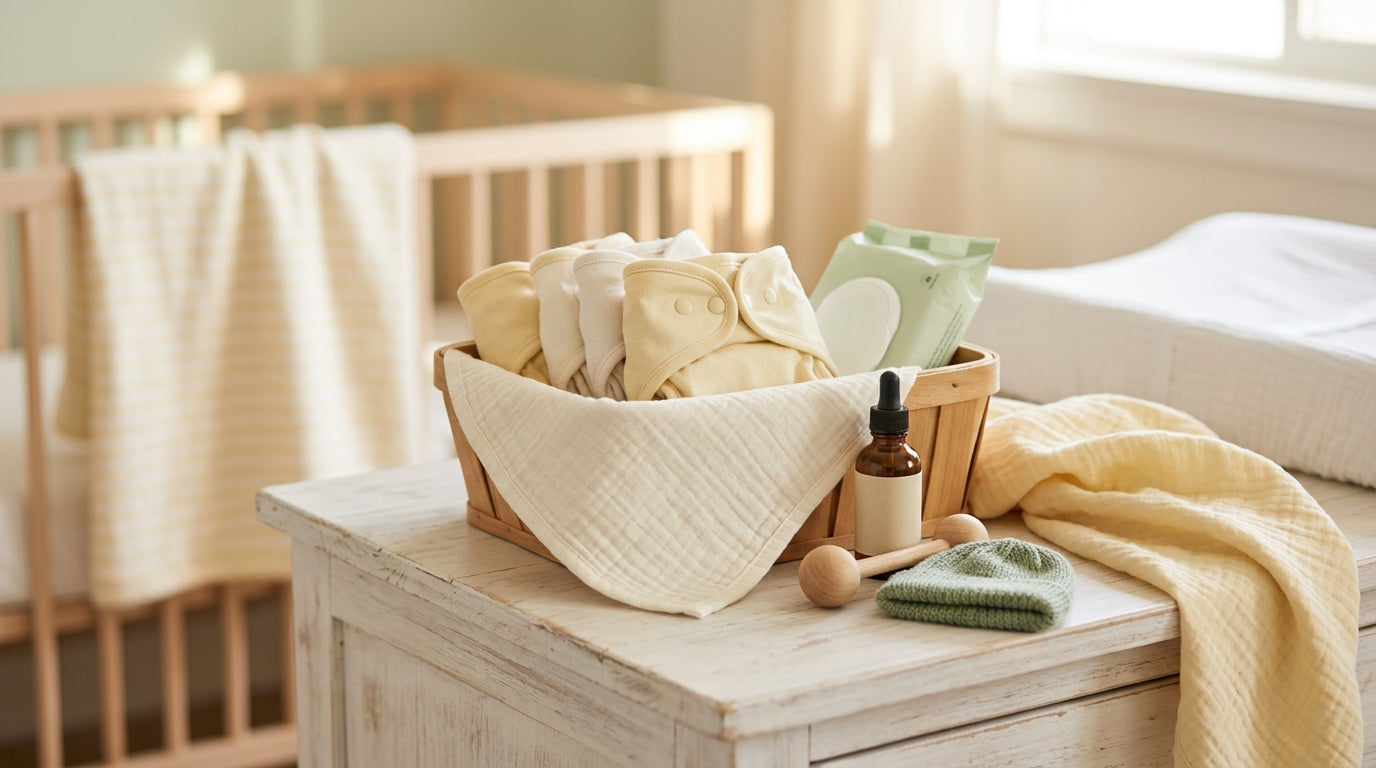
2:14 AM. Chicago winter. The sound from the bassinet wasn't a cry, it was a wet, unmistakable explosion. I turned on the dim nursery lamp and found my previously pristine infant lying in what looked like a puddle of melted mustard. Before I became a mom, I worked the pediatric floor for five years. I've seen a thousand of these diaper disasters. I used to chart loose stool with zero emotional reaction. But looking at my own flesh and blood marinating in it, my clinical brain entirely shut down.
I was just another panicked mother frantically googling infant bowel movements while stripping a mattress with one hand. I used to think I understood baby digestion because I passed my nursing boards. The reality is that textbook knowledge goes out the window when it's your own kid leaking fluid onto an expensive rug.
That mustard puddle might just be normal
Listen, if you breastfeed your kid, their baseline output is already going to look like a science experiment gone wrong. My pediatrician reminded me at our two-month checkup that normal breastfed poop is naturally loose, seedy, and intensely yellow. Sometimes it even has this menacing little water ring around the edges that makes it look incredibly suspicious to sleep-deprived eyes.
The difference between regular digestion and a sick babie isn't just about how it looks. It's about the math. If you're seeing three or more absolutely liquid blowouts that are drastically runnier than whatever your kid normally produces, you're probably dealing with a bug. Color means almost nothing. Yellow just means things are moving through the gut fast.
Most of the time, this liquid chaos is just a standard viral infection. Rotavirus, norovirus, whatever microscopic menace your kid picked up at daycare or from that one uncle who coughed directly into their face at a family dinner. Viruses tear through a tiny gut like a tornado, wiping out the lining and leaving nothing but fluid behind. It's miserable. You'll wash sheets until your hands are cracked and bleeding.
And it lingers. Long after the fever breaks and the fussiness stops, their little digestive tract is still trying to rebuild itself. So you're stuck on high alert for up to two weeks, treating every single diaper change like a hazardous waste disposal situation. It tests your marriage. It tests your sanity.
You'll smell it in your sleep, yaar.
People will tell you teething causes liquid stool, but my doctor swears that's mostly an old wives' tale since babies just drool a lot and swallow it.
During our worst bout of the stomach bug, we had to layer the crib like a lasagna. Waterproof pad, sheet, waterproof pad, sheet. At the top of this precarious sleep setup was the Bamboo Baby Blanket Universe Pattern. I bought this initially because the yellow and orange planets looked cute, but it became my holy grail during the sickness era. It's 70% organic bamboo and 30% organic cotton, which meant it was incredibly breathable when my toddler was running a low-grade fever and sweating profusely. More importantly, it survived being thrown in the washing machine on hot water about forty times in one week without pilling. It actually got softer. It's the one piece of bedding I truly trust when the chips are down.
If you need to restock your linen closet after a rough night, browse the organic baby blankets collection to find something that can survive your washer.
Triage mode at your changing table
When your baby has a relentless case of the runs, the actual danger isn't the mess itself. It's the fluid loss. Babies dry out so much faster than adults, so you've to watch them like a hawk.

In the hospital, we'd check for a sunken fontanelle. That's the soft spot on top of their head. If it looks like a little crater, you're already behind on fluids. I'd also obsessively check for tears when my kid cried. No tears, no wet diapers for eight solid hours, or extreme lethargy means you pack the diaper bag and go to the ER. Don't wait for morning. Just go.
If your kid is usually a hyperactive menace and suddenly they look like a deflated balloon and won't wake up for a bottle, that's your cue to panic and call the doctor.
What you should actually do about it
Stop stressing over the outdated BRAT diet, toss those baby-safe antidiarrheal drops the pharmacy tried to sell you, and just focus on keeping them hydrated while ignoring the mountain of laundry in the corner.

My pediatrician told me the BRAT diet of bananas, rice, applesauce, and toast is basically garbage advice now. It starves the gut of the fat and protein it desperately needs to heal the intestinal lining. Once the vomiting stops, just feed them their normal food. If they're on formula, keep giving it to them. Don't dilute it with extra water because you think they need hydration. That messes with their electrolytes and can cause massive neurological issues. Just keep feeding on demand.
If your doctor suggests an oral rehydration solution like Pedialyte, use it. But skip the sports drinks, the fruit juices, and the plain water. All that extra sugar just pulls more water into their intestines and makes the liquid yellow output aggressively worse.
I tried distracting my sweet babi during this miserable week with the Wooden Baby Gym Nature Play Gym Set. It looks gorgeous in our living room with its muted mustard yellow and botanical aesthetic. The organic wood is definitely a step up from the obnoxious plastic light-up toys that usually give me a migraine. But honestly, when a baby is sick and leaking from both ends, they don't care about beautiful Montessori-aligned biophilic elements. They just want to cling to your chest and cry. It's a really nice play gym, but it won't cure a stomach bug. Nothing really does.
The acidic aftermath
The worst part about the rapid-fire bowel movements is what it does to their skin. Watery stool is basically battery acid. It will burn a layer of skin off your baby in a matter of hours if you aren't vigilant.
I learned this the hard way. I thought I was changing diapers fast enough, but the bright red rash appeared almost instantly. We had to switch from regular wipes to just using wet washcloths because the wipes were making my kid scream in pain.
You have to frost them like a cupcake with barrier cream. Vaseline, Desitin, whatever your personal preference is. Slather it on so thick you can't see the skin. It acts like a physical shield so the next round of liquid output doesn't actually touch them.
Speaking of things touching things they shouldn't. When your kid is miserable, they'll want their pacifier constantly. And because they're an infant, they'll throw it on the floor. Right onto the hardwood you haven't mopped because you've been doing laundry for three days straight. Grabbing a Wood & Silicone Pacifier Clip saved whatever was left of my sanity. The clip is strong metal that didn't ruin my kid's onesie, and the food-grade silicone beads gave them something to chew on while their tummy cramped. It kept the pacifier off the floor and out of the germ pool, which is the bare minimum you need when you're already fighting a gastrointestinal war.
honestly, infant digestion is mostly guesswork wrapped in a dirty diaper. You can monitor the fluids, push the Pedialyte, and apply the diaper cream, but mostly you just have to wait it out. It eventually stops. At least, I think it does. My kid is two now and we've survived a handful of these episodes, but every time I see a suspiciously loose yellow diaper, my heart still drops a little bit.
If you're currently in the trenches of a stomach bug and need to replace some ruined essentials, explore our organic baby accessories before you tackle the next diaper change.
FAQ
Is bright yellow poop a sign of infection?
Not inherently. My kid's baseline breastmilk poop was always the color of a school bus. It's the watery texture and the sheer volume that tells you they're sick. If they suddenly go from one normal yellow diaper a day to six liquid ones, yeah, that's a bug.
Should I give my baby water to stop the dehydration?
Absolutely not if they're under six months old. My nursing professors hammered this into us. Plain water throws off an infant's sodium levels and can literally cause seizures. Stick to breastmilk, regular formula, or a pediatrician-approved electrolyte solution like Pedialyte.
How long is this going to last?
Honestly, longer than you want it to. The vomiting usually stops after a day or two, but the gut takes forever to heal. Expect the messy diapers to linger for a week, sometimes two. Buy more laundry detergent.
When do I seriously call the doctor?
If your baby is under three months old, call immediately. For older babies, I look at their mood and their hydration. If my toddler is running around but has a loose diaper, I wait it out. If they're lethargic, haven't peed in eight hours, or if I see any red, black, or white in the stool, we're going to the clinic. Trust your gut on this, beta.
Will probiotics help fix it?
Maybe. My pediatrician suggested probiotic drops with lactobacillus to help replenish the good bacteria the virus wiped out. I gave them to my kid. Did it shorten the sickness? I've absolutely no idea, but it made me feel like I was doing something proactive while we waited for it to end.




Share:
The 3 AM baby doll lingerie search trap and safe sleep reality
My Entirely Accidental Education on the Yamaha Baby Grand Piano