

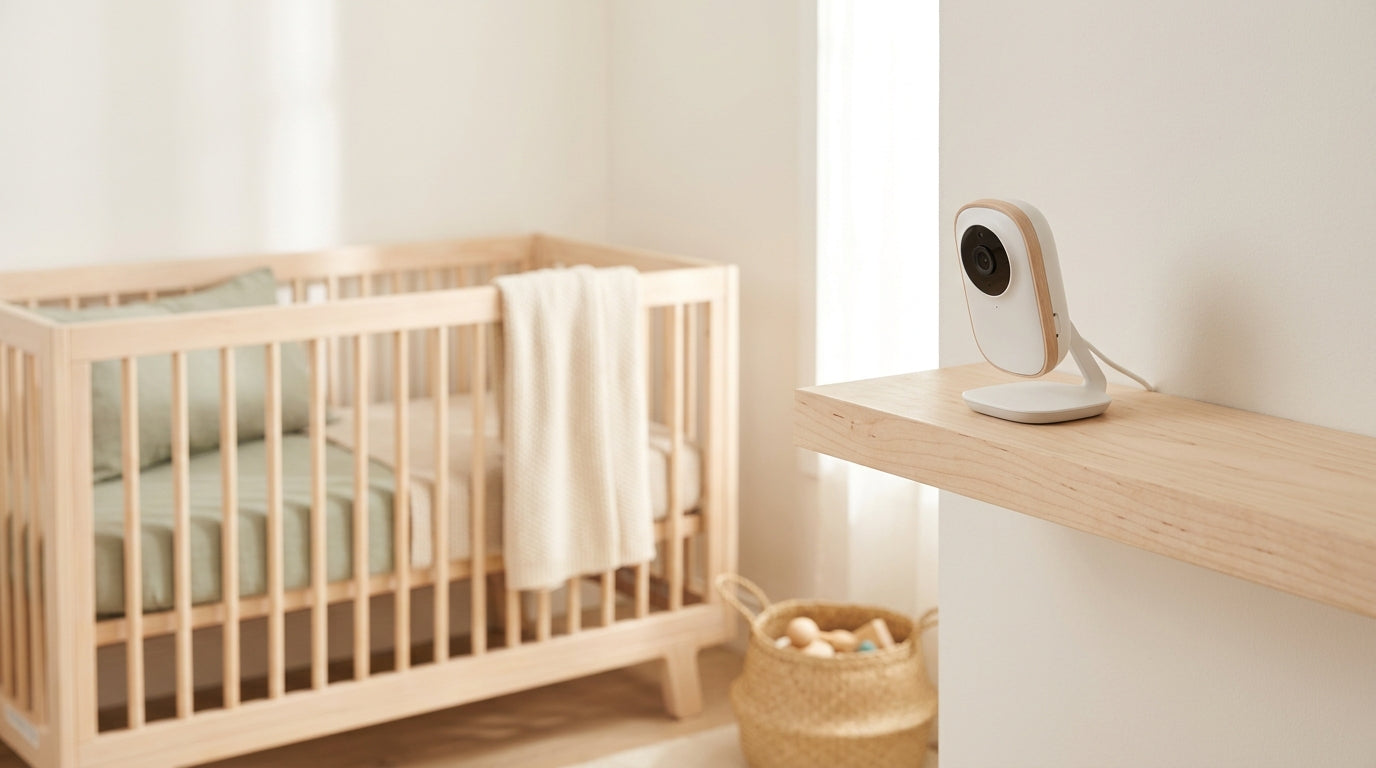
The green light on the nursery camera was blinking out of sync with the router. It's a tiny detail, but when you spend your days working pediatric triage, you get highly attuned to the rhythm of blinking lights. In the hospital, a desync means a disconnected lead or a failing sensor. In my house, in the middle of a Chicago winter at three in the morning, it meant my husband was messing with the network settings again because our expensive smart monitor had dropped its signal for the fourth time that week.
The biggest myth we buy into as modern parents is that connectivity equals safety. We think if we can stream 4K night-vision video of our sleeping infant directly to our smartphones while we're at the grocery store, we're somehow protecting them. We're not. We're just outsourcing our anxiety to a server in another country.
Listen, my pediatrician said she sees more maternal panic attacks triggered by glitchy oxygen-tracking apps than she sees actual infant sleep disorders. She basically told me to rip the smart hub out of the wall and trust my own ears.
The internet is in your baby's room
I realized how bad the problem was during a late-night feeding doomscroll. I clicked on a trending topic about the kriss_baby_ leaks webcam fiasco, assuming it was just another piece of celebrity gossip or influencer drama. I figured kriss_baby_ was a reality star whose iCloud got hacked.
It wasn't. It was a massive forum thread discussing how thousands of unsecured Wi-Fi baby monitors had been compromised. People were trading live feeds of empty cribs, sleeping toddlers, and exhausted mothers nursing in rocking chairs. It made my blood run cold. I looked up at the blinking green light on my own camera and realized I had no idea who else might be watching.
We treat these devices like magic boxes, but they're just cheap computers with lenses. Manufacturers ship them out with terrible default security settings and we just plug them in because we're too tired to read the manual. We connect them to our home Wi-Fi networks, which are usually secured by a password we haven't changed since 2018.
In the pediatric ward, we use closed-circuit, hardwired systems to monitor vitals because they're practically impossible to hack from the outside. We would never rely on a consumer-grade app to watch a sick child, yet we bring our fragile newborns home and immediately point a web-connected lens right at their face.
The firmware nightmare nobody talks about
If you want to understand how broken this industry is, look at the software updates. Tech companies sell you a three-hundred-dollar camera that promises to track your baby's breathing using artificial intelligence. It sounds great on the packaging.

But the second that camera is discontinued, the manufacturer stops pushing firmware updates. They abandon the software. This leaves a massive, unpatched vulnerability sitting right above the crib. Hackers run automated scripts just scanning the internet for these outdated devices. When they find one, they let themselves in. They listen to the audio. Sometimes they use the two-way talk feature to speak into the room.
My husband tried to explain the technical details of port forwarding and local networks to me once, but honestly I stopped listening after he said the word firewall. You shouldn't need a degree in computer science to keep strangers out of your house.
Just write your router password on a piece of paper and tape it to the fridge because digital password managers get breached every other week anyway.
What a secure room actually looks like
The medical community is slowly waking up to this. The AAP has issued various statements about digital footprints and screen time over the years, but I think they're mostly just guessing based on isolated studies from a decade ago that hardly apply to the hyper-connected reality we live in now. They don't really know the long-term psychological impact of a child growing up with a camera recording their every move.
When I finally snapped and decided to downgrade our nursery tech, I felt like I was failing some invisible modern parenting test. I bought a Kianao closed-loop FHSS monitor. This is my absolute favorite piece of gear because it just works. It operates on a closed radio frequency. It doesn't connect to Wi-Fi, it doesn't have an app, and it doesn't talk to the cloud. The monitor sits on my nightstand, and unless someone is physically sitting in my driveway with a specialized radio receiver, they aren't seeing my kid.
Making the switch forced a total reset of how we handle privacy in our house. We had to break a lot of bad habits at once.
- We stopped the broadcast. We unplugged the smart camera, covered the lens on the backup nanny cam, and deleted the companion apps from our phones in one fell swoop.
- We changed the family sharing rules. Grandparents lost their remote viewing privileges, which caused some drama, but they survived.
- We killed the smart speaker. No more internet-connected microphones listening for wake words next to the changing table.
To soften the blow of a completely analog room, we invested in things you can actually touch. The Kianao cable knit blanket is just okay in my opinion—it looks beautiful draped over the rocking chair but it catches on my wedding ring every single time I fold it. My toddler loves it though, so it stays.
The sharenting trap
The whole kriss_baby situation also got me thinking about our voluntary digital footprint. We're so worried about hackers stealing our data, but then we turn around and post our children's most vulnerable moments to public social media grids.

I'm guilty of this too. When you're isolated at home with a newborn, Instagram feels like a lifeline. You post the messy blowout, the tearful sleep training updates, the bath time photos. You want the validation. You want someone to comment and say, I see you, you're doing great.
But children can't consent to having their lives documented for public consumption. That bath time photo might seem cute to your college roommate, but it's also accessible to anyone with a screen-capture tool. Once an image leaves your device, you lose control of it forever.
I see young moms in the clinic constantly comparing their babies to the curated highlight reels of influencers. It's toxic. It breeds a very specific kind of maternal anxiety that didn't exist twenty years ago. We're parenting for an audience.
If you need a break from the noise, browse the wooden nursery decor collection and remember that babies don't need algorithms to thrive. They just need you, a safe place to sleep, and maybe a few quiet toys that don't require batteries or a Bluetooth connection.
Finding peace in the analog
Sometimes I miss the convenience of checking the camera from the hospital breakroom. I really do. There was a false sense of control in being able to zoom in on his chest to watch it rise and fall.
But the anxiety trade-off isn't worth it. Staring at a high-definition infrared stream at 2 AM while analyzing every twitch and sigh is no way to live. I used to wake up, check the app, see that he was asleep, and then stay awake for another hour just watching the screen to make sure he stayed asleep.
Now, if I hear him cry on the audio monitor, I just walk down the hall. I go in, I smell his head, I say sleep, beta, and I walk out. It's physical. It's real. There's no data log of the interaction. The internet doesn't know it happened.
We're raising the first generation of humans who will have their entire lives tracked, quantified, and stored on servers before they even learn to walk. The greatest luxury we can give them isn't a smarter nursery. It's privacy. It's the right to be a baby without an audience.
If you're staring at a blinking green light right now, just pull the plug, grab a real monitor, and reclaim your peace of mind before the morning comes.
Frequently asked panic searches
How do I know if my baby monitor has been hacked?
Listen, you probably won't know for sure until it's too late. Sometimes the camera pans on its own, or you hear weird static or voices, or the LED light turns on when you aren't using the app. But smart hackers just quietly watch the stream. If it connects to Wi-Fi, assume it's vulnerable.
Is the kriss_baby monitor a real brand?
No. When people search for kriss_baby, they're usually looking for internet gossip or leaked influencer content that got mixed up in discussions about webcam security flaws. It's a messy internet rabbit hole that just proves why you shouldn't put a Wi-Fi camera in your house.
Are closed-loop monitors actually safer?
Yes. They use a specific radio frequency to talk directly to the parent unit. Unless your neighbor is an international spy sitting in a van across the street with military-grade decryption hardware, they aren't intercepting your FHSS baby monitor signal.
Should I put tape over my nursery camera lens?
I mean, if you want to. I know a lot of pediatric nurses who do exactly that when they aren't actively using the camera. But honestly, if you don't trust the device enough to leave the lens uncovered, you shouldn't have it plugged in at all.
What's the AAP rule on baby monitors?
They don't have a strict rule banning them, but my pediatrician strongly advises against any smart monitor that tracks vitals unless medically prescribed. They lead to false alarms, unnecessary ER visits, and totally fried parental nervous systems.




Share:
Taking Parenting Advice From A Kardashian (And Why It Actually Worked)
The Kylie Jenner Baby Daddy Setup: A 3 AM Letter To Myself