

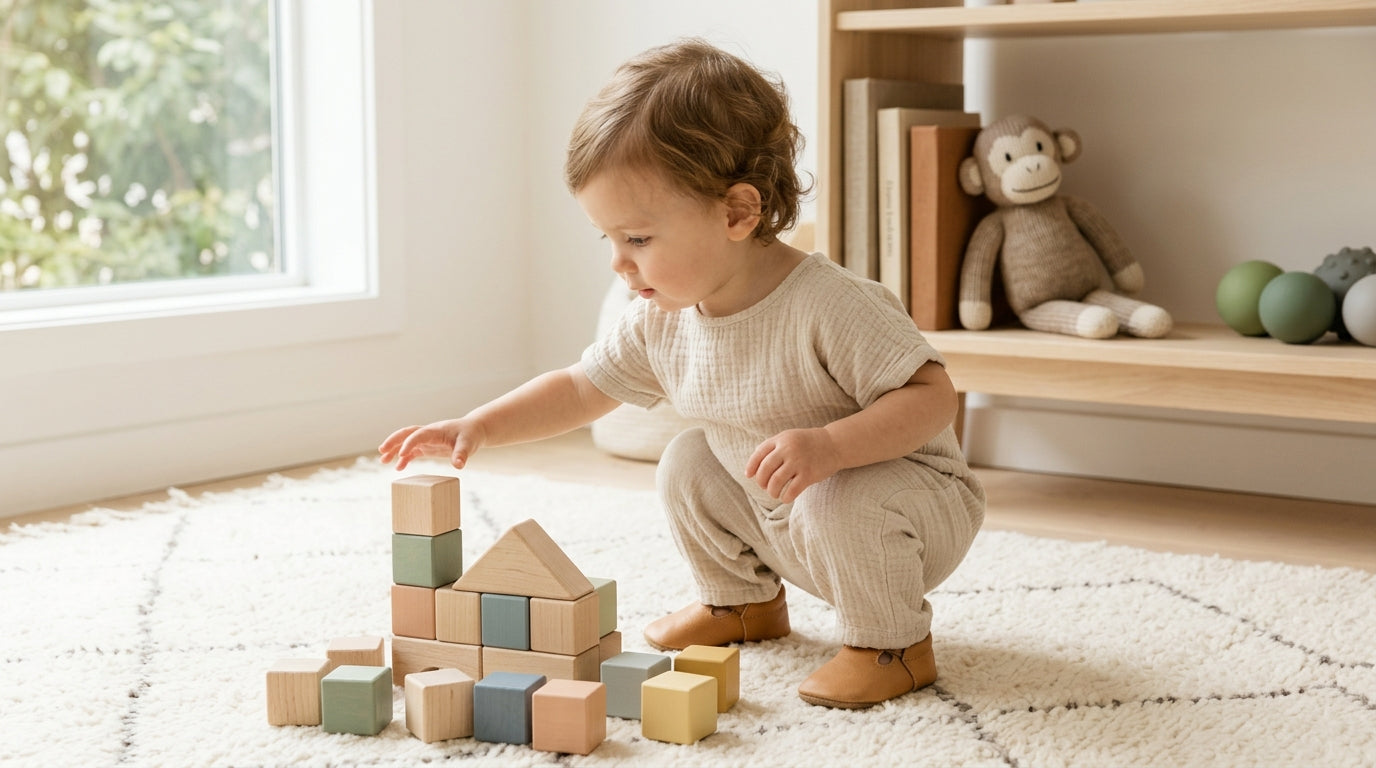
Listen, I spent four months before my son was born curating a gender-neutral nursery that looked like a Scandinavian meditation retreat. It was silent, mostly beige, and smelled faintly of expensive lavender. I folded the organic swaddles into perfect little squares. I thought I was ready. Then we brought him home from the hospital and he screamed for three straight days until my husband accidentally knocked over the Dyson vacuum and turned it on, which made the kid pass out instantly.
Before having my own kid, my years working in pediatric nursing had me completely confused about what babies actually are. In the hospital, everything is scheduled, sterile, and measured in milliliters. I was convinced infants were these delicate, fragile porcelain dolls that required absolute silence and gentle, perfectly timed interventions.
Now I know the truth.
You don't have a delicate flower, yaar. You have a primal, squirming, highly demanding little primate. I think it was my old attending physician who jokingly called the six-month mark the puppy monkey baby phase, referencing that deeply weird Super Bowl commercial from years ago, but she wasn't entirely wrong about the biology of it all. They chew on furniture like puppies, they need to cling to you like monkeys, and they cry like, well, babies.
The deafening reality of the womb
We need to talk about silence and why it's ruining your life.
I see so many new parents tiptoeing around their own houses, whispering to each other, terrified of waking the baby. I used to do it too. I'd literally army-crawl out of my son's bedroom to avoid making the floorboards creak. It's a complete waste of time.
Babies hate quiet. The womb is not a silent yoga studio. It's incredibly loud in there. You have the rushing of maternal blood, the rhythmic thud of the heartbeat, the strange gurgling of digestion. It's basically the equivalent of living inside a running washing machine for nine months.
I remember reading some study during a late-night nursing shift that showed something like eighty percent of infants falling asleep spontaneously when exposed to loud white noise, compared to maybe a quarter of them who fell asleep in silence. My own doctor basically told me to turn the sound machine up until I felt slightly uncomfortable, and she was right. Replicating that heavy ambient noise is probably the only reason I survived the fourth trimester without losing my mind.
Strapping them down for survival
If you look at monkeys, their babies are born with the physical strength to just grab onto their mother's fur and hang on for dear life while the mom goes about her day finding food or ignoring other monkeys. Human babies are completely useless in this regard.

They're born biologically undercooked because if our heads got any bigger in utero, nobody would ever survive childbirth. So they come out lacking the muscle tone to hold on, but they still have that intense primate instinct to cling. This is why you can't put them down without them acting like they've been abandoned on a glacier.
Baby-wearing is the only logical workaround. Strapping my son to my chest was less about bonding and more about basic survival so I could eat a piece of toast with two hands. Being squished against your chest keeps stable their erratic little heartbeats and temperature, and the motion of you walking around doing laundry tricks their primal brain into thinking they're safely traveling with the pack.
My lactation consultant gave me a terrifying, fast-talking lecture about keeping them tight, always in view, close enough to kiss, chin off their chest, and back supported, so just make sure you aren't suffocating them in the carrier while you try to send an email.
You also need basics that don't get in the way of the carrier straps or bunch up weirdly. I ended up basically buying out the stock of the Organic Cotton Baby Bodysuit Sleeveless Infant Onesie. It's just a solid, stretchy layer that doesn't irritate his skin when he's pressed against me sweating for three hours. The fact that it's organic is great for his random eczema flare-ups, but honestly, I just like that the envelope shoulders mean I can pull it down over his legs when he has a blowout instead of dragging ruining fabric over his head.
The fever dream of the teething phase
Around four or five months, the whole monkey baby vibe shifts into something more canine.

I've seen a thousand teething babies in the clinic, but nothing prepares you for your own kid trying to literally gnaw the finish off your coffee table. The drool is biblical. They shove their entire fists into their mouths and look at you with these furious, betrayed eyes because their gums feel like they're expanding.
We bought so many useless plastic rings that he just threw at the wall. The only thing that actually worked was the Monkey Baby Teether Wooden Natural Silicone Ear Design. I bought it at 3 AM because it looked cute and fit the whole primate theme of my existence, but it turned out to be the one thing he wouldn't drop.
The combination of the hard beechwood ring and the soft silicone ears gives them different textures to violently chew on depending on what kind of pain they're in that day. It's completely non-toxic, which is the bare minimum requirement for something going in my kid's mouth, but it actually looks nice sitting on the rug instead of looking like a piece of neon plastic trash. He carried that little monkey teether around for a solid six months.
We also have the Gentle Baby Building Block Set lying around somewhere. My mother-in-law insisted he needed educational toys immediately. They're soft rubber, which is fine because they don't hurt when I inevitably step on them in the dark, but right now he mostly just tries to eat them.
If your kid is currently destroying your furniture with their new teeth, you should probably look at Kianao's teething toys collection before they move on to chewing your shoes.
Object permanence and emotional crutches
Eventually, they figure out that you're a separate entity who can leave the room. This happens around six to eight months, and it's a developmental milestone that feels like a punishment.
I vaguely remember learning about this old psychological study involving macaque monkeys during nursing school. When the baby monkeys were separated from their mothers, they would cling to these plush surrogate objects for emotional regulation. If you took the plush toy away, they would basically have a nervous breakdown.
Human babies do the exact same thing. They need a transitional object. A lovey, a soft blanket, a tiny plush toy. It is a physical stand-in for you when you've the audacity to walk into the kitchen for thirty seconds.
Of course, my doctor brain always has to ruin the fun here. The AAP guidelines on SIDS are pretty clear about keeping the crib completely empty before they turn twelve months old. So the lovey has to be a daytime-only situation. We use ours in the stroller, during supervised floor time, or when we're trapped in the car and he's losing his mind in the backseat.
You basically just have to accept that for the first year or two, you aren't raising a miniature adult. You're raising a primal little creature who operates entirely on instinct, temperature, hunger, and a desperate need for physical contact. Once you stop trying to force them into a rigid, silent, sterile box, the whole parenting gig gets slightly less impossible.
If you're ready to stop fighting biology and just lean into the chaos, check out the rest of the sustainable essentials that genuinely help you survive this phase at Kianao.
The messy reality of baby behavior (FAQ)
- Why does my baby suddenly hate being put down? It's just their biology kicking in. They realize they're tiny and defenseless, and you're their primary source of warmth and food. When you put them down, their primate brain sets off an alarm that they've been left behind by the pack. Just strap them to your chest and accept that you won't sit alone for a few months.
- Is it possible to use white noise too loud? My doctor told me it should be about the volume of a strong shower running in the room, which is around 50 to 60 decibels. You don't want it literally deafening, but if you can hear yourself whisper from across the room, it's probably too quiet to seriously drown out the dog barking or the floorboards creaking.
- When do I honestly need to buy teethers? Honestly, buy them before you think you need them. My son started showing signs of teething around three months with just rivers of drool, long before any teeth really broke through the gums. Waiting until they're actively screaming in pain at midnight is a rookie mistake I definitely made.
- Are wooden teethers seriously safe? They're if you buy the right ones. You can't just hand them a stick from the yard. The good ones, like the Kianao monkey teether, are made from untreated beechwood that doesn't splinter and is finished with safe oils. You just wipe them down with soap and water instead of boiling them like plastic ones.
- When can I let them sleep with a plush toy? The strict medical answer is twelve months. Before that, the crib needs to look like a sterile prison cell. No blankets, no bumpers, no soft toys. SIDS risk is real, so we kept the lovey for daytime survival and car rides until after his first birthday.




Share:
Why a Reborn Baby is Actually the Ultimate Parenting Hack
Chasing the Pottery Barn Baby Dream Without Losing Your Mind