

It was 8:14 on a Tuesday morning, I was wearing my husband Dave's faded college sweatshirt that smelled faintly of stale Cheerios, and my third cup of coffee was already cold. I was sitting at the kitchen island filling out an intake form for Maya's new preschool gymnastics class, squinting at a heavily photocopied sheet of paper. There was a line that asked if she was "up to date on her baby booster," and my brain just completely short-circuited. Like, which one? Are they asking if she's riding in a specific car seat to get to the gym? Are they asking about her medical records? Are they asking if I fed her one of those organic protein shakes before she attempts a somersault? I was literally just staring at my phone, googling what the hell that phrase even meant in this context, entirely paralyzed by the sheer volume of parenting terminology we're supposed to just instinctively know.
The absolute biggest myth in the entire parenting universe is that anyone uses words that mean just one thing. You hear someone talk about giving their kid an infant boost or ask about the meaning behind a baby booster, and there's no universal dictionary for this crap. We're all just wandering around sleep-deprived, nodding along like we understand what the other moms at the playground are talking about. But since I eventually figured it out—after nearly giving myself a panic attack—let me break down the four wildly different things people actually mean when they throw this phrase around.

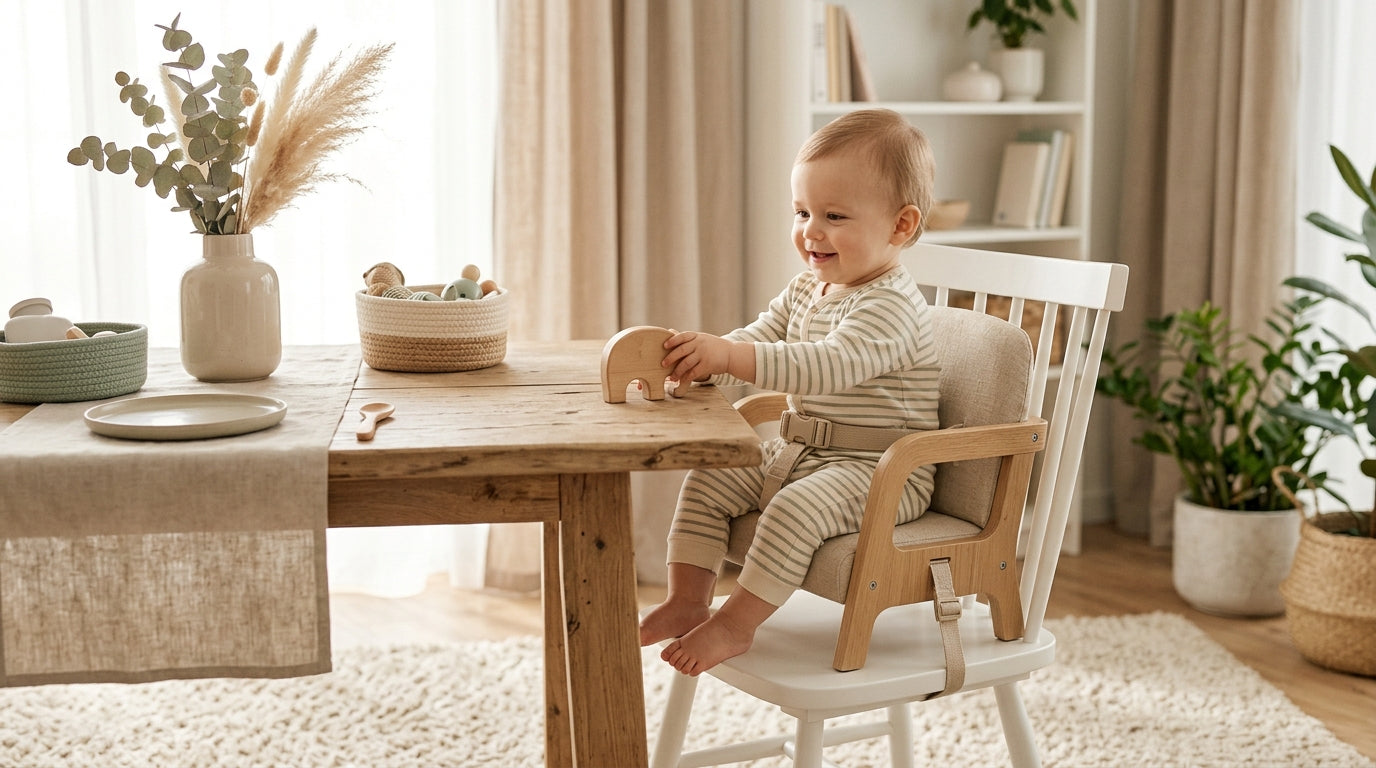
Moving out of the five-point harness era without having a nervous breakdown
For most parents, the term is purely automotive. Maya was almost five when we had to deal with this, and Dave—who treats consumer safety reports like they're ancient religious texts that hold the secrets of the universe—was arguing with me about weight limits in the driveway. I was just sweating in the summer heat, completely overwhelmed.
My doctor told me that the whole point of a vehicle booster seat is literally just boosting their tiny bodies up. Seatbelts are made for adult bodies, which is super inconvenient for us. The seat lifts them so the adult lap belt hits their strong bones—like the collarbone and hips—instead of slicing across their soft little stomachs during a crash. It's a horrifying image that kept me awake for three consecutive nights, honestly. Anyway, the point is, after a lot of late-night doomscrolling and obsessing over European UNECE safety standards, here's what I actually managed to retain about the whole car situation:
- You want to keep them in the five-point harness for as humanly long as possible, seriously, don't rush the transition just because their friends at daycare have big-kid seats and your kid is begging for one.
- When they do finally switch over (usually around 40 pounds, but check your manual because I'm definitely not an engineer), high-back models are supposedly way better for side-impact stuff and keeping their heads from flopping around when they inevitably pass out.
- Backless ones are super portable for carpooling or traveling, but they give me massive anxiety about head support, so we only use them in a pinch.
If you're stressing over this stuff, just grab a coffee, read the manual once, and remember we're all just winging it until bedtime anyway.
When the doctor starts talking about tune-ups
Then there's the medical definition, which is an entirely different level of stressful. We were at the clinic, Leo was four, and he was screaming his head off because the paper on the exam table made a weird crinkling noise that he decided was his mortal enemy. Dr. Miller casually mentioned it was time for his DTaP and MMR boosters.

My doctor explained it to me like this: the immunity they get from those initial infant shots just sort of fades over time. It's kind of like how my memory of what it feels like to sleep eight uninterrupted hours has completely faded. So they need another shot to re-energize their little immune systems. I guess it's like a software update for their white blood cells? I'm honestly not a scientist, and the CDC schedule always confuses the hell out of me, but I set about fourteen digital calendar alerts on my phone so I wouldn't miss the 4-to-6-year-old window. Because let me tell you, trying to get school entry forms sorted when you've missed a medical appointment is a special kind of administrative torture.

Finding things that actually help boost their little milestones
Sometimes I think the only real ways we "boost" our kids are through the daily things we do to help them survive their own development without us losing our minds. When Leo was about eight months old, he went through this horrific sleep regression/teething nightmare combo. He was just a drooling, inconsolable mess, gnawing on my fingers, my keys, the TV remote, whatever he could find.
Let me tell you about a literal lifesaver. I found the Panda Teether Silicone Baby Bamboo Chew Toy, and I genuinely loved this thing so much I almost wrote it a thank-you note. It wasn't one of those weird, neon plastic monstrosities that look like alien spaceships. It's food-grade silicone, perfectly shaped for his incredibly uncoordinated little hands to grip, and I could just throw it in the dishwasher when it inevitably fell on the supermarket floor. He chewed on that panda like it owed him money, and it honestly gave us a few hours of peace. I ended up buying three so I'd never be caught without one in the diaper bag.
For actual cognitive development stuff, we eventually got the Gentle Baby Building Block Set. Look, they're fine. They do the job for teaching colors and early logic, which is great. And they're soft rubber, which is honestly a blessing because Maya used to launch toys across the living room like a major league pitcher. But I'm going to be completely honest with you: picking up 12 scattered blocks from under the sofa every single night is exhausting, and if you accidentally step on one in the dark while sneaking into the kitchen for a midnight snack, it still startles you, even if it's soft. So, yeah, they're decent for learning, but I wasn't weeping with joy over them.
But since we're talking about things that really make life easier and give your kid a gentle developmental leg up, let me just casually mention the Flutter Sleeve Organic Cotton Baby Bodysuit. Maya had horrible eczema when she was tiny, right around the time she was getting her toddler shots, and synthetic fabrics made her break out in these angry red patches. This organic cotton genuinely let her skin breathe. Plus, the little flutter sleeves made her look incredibly elegant while she was having a level-five meltdown in the Target checkout line, which somehow makes it slightly less embarrassing.
If you're also dealing with sensitive skin and want to fall down a rabbit hole of things that are honestly soft, you can browse Kianao's organic cotton clothing collections here. It beats doomscrolling car seat crash tests at 2 AM, trust me.
Drinking weird green dust for fetal development
Okay, back to the definitions, because we've to talk about the wellness industry. When I was pregnant with Leo, I fell down this absolute rabbit hole of prenatal nutritional supplements that all the influencers were calling "pregnancy boosters."

I was so anxious about doing everything perfectly. I was convinced if I didn't drink this specific green swamp-water looking stuff, my baby wouldn't get enough folate or vegetarian DHA, and his brain wouldn't develop properly. The marketing completely preys on your maternal guilt before the kid is even out of the womb. I spent, like, a ridiculous amount of money on these protein powders that promised to fill all my dietary gaps.
It tasted like actual dirt mixed with a drop of vanilla extract, but I chugged it every single morning in my kitchen, gagging slightly while Dave watched me in silent horror. I thought it was giving him some kind of elite prenatal advantage, which is hilarious in hindsight because now he's a four-year-old who literally only eats plain pasta and refuses to look at a vegetable. So much for my expensive nutritional boosting phase.
Oh, and lactation cookies are just regular cookies with a huge markup, by the way.
My teenage babysitter called me her hype man
Finally, just to make us all feel incredibly old, the phrase has apparently become internet slang. Our 19-year-old babysitter, Chloe, told Dave that I was her "baby booster" the other day, and Dave looked at her like she was speaking Klingon.
Apparently, in Gen-Z speak, it means you're someone who hypes people up. Like a gentle, positive friend who boosts your mood in a sweet way, or a "baby boo" who supports you. I spent twenty minutes trying to explain this to Dave, who just rubbed his temples, sighed deeply, and went back to researching the structural integrity of our minivan.
So there you go. Depending on who you're talking to, you're either discussing automotive safety, childhood immunization schedules, overpriced smoothies, or teenage internet slang. Parenting is wild, man.
Ready to skip the confusion and just find sustainable stuff that genuinely works for your family? Check out Kianao's full collection of safe, eco-friendly essentials before your coffee gets cold.
FAQ: All the messy questions you're too tired to google
Wait, when do I genuinely need to switch to a booster seat?
Oh god, don't rush this. I know it's tempting because the big seats are bulky and annoying, but keep them in the 5-point harness as long as they fit the height and weight limits on the side of your specific seat. Usually, the switch happens somewhere between 4 and 7 years old, but honestly, it's totally based on your kid's size, not their age. Dave would tell you to read the manual. I'm telling you to read the manual while drinking wine.
What happens if we miss the 4-year-old booster shots?
I literally did this with Maya because life was chaotic and I just forgot. Your doctor isn't going to yell at you. You just call them, confess that you're a mess who lost track of time, and they get you in for a catch-up appointment. It's really common, especially because there's such a long gap between the toddler shots and the preschool ones.
Are those nutritional pregnancy smoothies genuinely worth it?
Honestly? Most of them taste like flavored dirt. If you're eating a generally decent diet and taking your regular prenatal vitamin that your doctor recommended, you're probably fine. I spent way too much money on powders that just made me nauseous. If your doctor says you're low on iron or protein, then maybe look into it, but don't let Instagram ads make you feel guilty.
Does Kianao sell stuff that helps boost my baby's development?
Yes, but like, in a chill way. They're not claiming a wooden toy is going to get your kid into Harvard. It's more about offering natural, sensory-rich things—like the wooden play gyms or the silicone teethers—that encourage them to grasp, chew, and explore safely without overstimulating them with flashing lights and terrible electronic music that will haunt your nightmares.




Share:
The Truth About the Baby Boomers Years and Grandparenting
Surviving the Newborn Phase: The Real Deal on Baby Rockers