

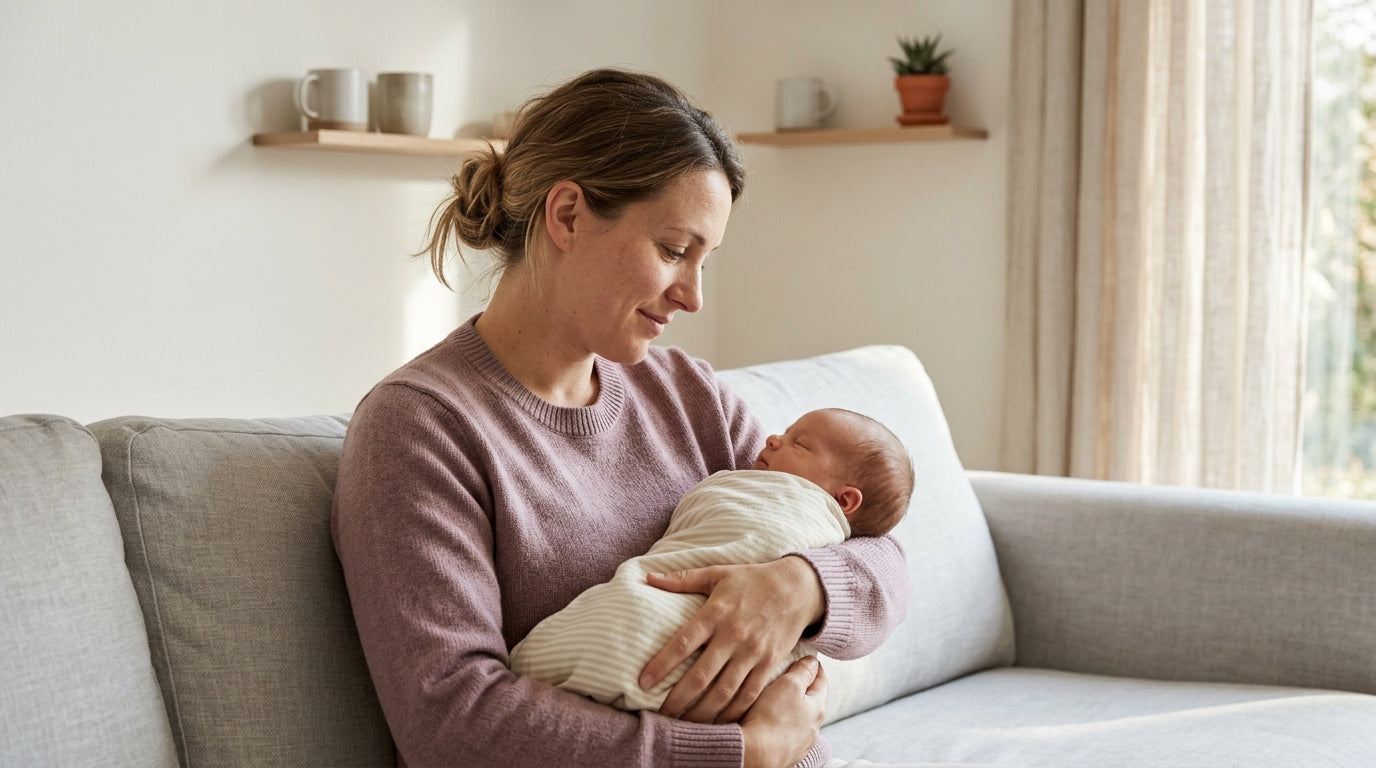
It's 3:14 in the morning. You're covered in sour milk, eating a piece of cold toast over the kitchen sink, and watching a rerun of some mid-2000s comedy on cable. The one with the famous comedic actresses. You look at that fictional baby mama cast on the screen, all witty banter and perfect lighting and quirky misunderstandings, and you want to throw your toast right through the television. People genuinely think motherhood is going to be a quirky ensemble comedy. You bring the kid home, your eccentric best friend drops by with an organic casserole, your supportive partner says something deeply endearing, and by the time the credits roll, you've completely figured out your new life.
I worked in the pediatric wing for six years before having my own kid. I've seen a thousand of these freshly postpartum moms looking like they just walked away from a multi-car pileup. They all expected the movie version. Your actual cast of characters is way less glamorous. It's just you, a doctor who looks too young to have a medical degree, the ghost of your former identity, and whatever food delivery driver happens to be working the night shift in Chicago.
The sterile box of safe sleep
If you look at how Hollywood decorates a nursery, you'll see massive wooden cribs filled with bumper pads, thick quilts, and twelve vintage stuffed bears. If you replicate that in real life, you're asking for a medical emergency. My own doctor took one look at my sleep-deprived face at our two-week appointment and told me to just put her on her back in a completely empty box.
It feels so mean to do it. We swaddle these tiny, fragile humans and drop them into barren bassinets that look like hospital tupperware. But SIDS is a terrifying reality, and survivorship bias is a wild thing. My mom constantly visits and tells me I slept on my stomach surrounded by blankets and turned out fine. I try to explain the infant mortality statistics from the early nineties to her, but she just waves her hand and calls me dramatic.
The AAP says back-to-sleep and no loose items, so we comply with the sterile box method. They also heavily push pacifiers for sleep. Apparently, sucking on a piece of plastic keeps their brain engaged just enough to remember to keep breathing. We don't really understand the exact neurological mechanism behind it, it's mostly just a statistical probability that seems to keep them safer. I guess it distracts the central nervous system from shutting down completely.
Skin rashes and midnight blowouts
Let's talk about the reality of dressing a newborn, which is entirely unglamorous. You buy all these cute, trendy outfits for the hospital photos. Then day four hits, and they've a diaper blowout that defies the laws of physics. I started out buying cheap polyester blends because they looked great on my social feed and I didn't know any better. Big mistake, yaar. By week three, my daughter woke up with her torso covered in angry, raised red patches.
I completely panicked. My nursing brain went into overdrive, thinking it was some rare pediatric infectious disease I'd missed during my clinical rotations. It wasn't. It was just trapped sweat and cheap synthetic dye reacting with her skin barrier.
I ended up tossing all the trendy synthetics and buying the Organic Cotton Baby Bodysuit. Listen, I genuinely hate recommending baby clothes because infants just destroy them with bodily fluids anyway, but this one actually survived our house. It stretches over her disproportionately large head without tearing, the organic cotton actually breathes to let the sweat evaporate, and it immediately stopped the contact dermatitis. I bought six of them in boring neutral colors. They're stained with sweet potato now, but they work and they don't aggravate her delicate skin.
You can't spoil a potato
My older relatives love to drop by our apartment and tell me I'm ruining my child's independence. They see me holding her for a two-hour contact nap and say, put that baby down beta, you're spoiling her. You can't spoil a newborn. They're essentially loud, needy potatoes. Harvard did some extensive study on neural pathways and serve-and-return interactions, but you really don't need a medical journal to figure this out.

You just need to hear a newborn scream for thirty seconds to know their nervous system is totally dysregulated. Skin-to-skin contact drops their heart rate and stabilizes their erratic breathing. It's literally biological triage. I spent the first twelve weeks trapped on the living room sofa under a sleeping infant while binge-watching medical dramas. My bladder absolutely suffered, but her brain development probably benefited in some immeasurable way. Or so we hope.
When the teeth finally arrive
Around six months, the idyllic potato phase ends and they turn into rabid badgers. The teething timeline hits hard. Everyone on the internet will aggressively tell you to buy amber teething necklaces to absorb the pain. Don't do it. My doctor practically rolled her eyes out of her head talking about the strangulation hazard of those holistic trends.
Instead, I bought the Panda Teether. Listen, it's totally fine. It's just a piece of food-grade silicone shaped like a bear. It's not going to magically cure the fact that a literal bone is erupting through your child's gums. But it goes in the dishwasher on the sanitize cycle, it doesn't harbor black mold like those hollow squeeze toys, and she can hold the little bamboo stalk herself. You toss it in the fridge, the cold numbs the inflamed area for maybe ten minutes, and that gives you enough time to drink a cup of lukewarm coffee in peace. You need something safe for them to chew on, and this one happens to not be hideous.
The actual mental health crisis
The real crisis nobody warns you about isn't the sleep deprivation or the endless laundry. It's the mental health drop. It's not the cute movie version where the new mom tears up at a diaper commercial and her friends all laugh. It's the visceral, gut-wrenching anxiety of day four when your milk comes in and your serotonin abruptly leaves the building.
The statistics say eighty percent of us get the baby blues. It feels like waking up in the wrong dimension. Your hair starts falling out in clumps around month four, you sweat through your sheets every night, and you're terrified of dropping the baby down the stairs. You don't need an ensemble cast of friends dropping by unannounced to ask if you're soaking up every precious moment. You need someone to take the kid and tell you to go sleep in a dark room.
If that hollow feeling lasts more than a couple of weeks, you're looking at clinical postpartum depression. I've seen it tear families apart in the clinic because they thought they could tough it out. Getting medical help and ignoring the people who tell you to cure it with yoga is the only way out.
The plastic toy invasion
By month three or four, the baby needs to be put down while awake so you can occasionally brush your teeth. The baby gear industry desperately wants you to buy a battery-operated plastic spaceship that sings off-key nursery rhymes and flashes strobe lights. I was gifted one of these monstrosities by a well-meaning aunt. It gave me a migraine within forty-five minutes of turning it on.

We immediately swapped it out for the Bear and Lama Play Gym Set. It's just wood. It sits quietly on the rug. The baby stares up at a crochet star. It doesn't sing, it doesn't light up, and it doesn't connect to my wifi to track her movements. It just offers a bit of gentle tactile feedback when she swats at the wooden rings.
Sometimes less is just less, and that's exactly what a rapidly developing brain actually needs. The AAP hates screens and overstimulation for infants anyway, and honestly, so do I. A wooden arch with some muted toys is entirely sufficient to buy yourself twenty minutes to fold a load of laundry without causing sensory overload.
If you're drowning in consumer choices and just want things that won't irritate your kid's skin or your living room aesthetic, browsing an organic baby clothes collection and sticking to the absolute basics will save your sanity.
Tracking the chaos
I started tracking every baby m—milestone, meal, meltdown—on a hyper-detailed smartphone app during the first month. I was logging half-ounces of milk and the exact color of dirty diapers like an accountant facing a federal audit. My doctor finally looked at my frantic, color-coded spreadsheet at the two-month checkup and told me to delete the app immediately.
Babies are not math problems to be solved. You look at them, you see if they're lethargic, you check if they're making enough wet diapers, and you move on with your day. The tech-broification of parenting and the hyper-vigilance just breeds crushing anxiety. Throwing away the smart socks and the tracking apps was the best medical decision I made.
Surviving the first year
The truth is, you don't need a glamorous crew of perfectly styled friends or a magazine-worthy nursery to keep a child alive. You need basic hygiene, a safe, empty place for them to sleep, and a massive amount of self-forgiveness. Let the apartment get messy. Let the laundry pile up in the corner of the bedroom. You're keeping a new human being alive while recovering from a major medical event, and that's enough of a flex for one year.
If you're prepping for the next stage of development and want to stock up on things that honestly matter without inviting toxic plastics into your house, browse our baby essentials before the next sleep regression hits and you're too tired to think.
The messy reality FAQ
When does the sleep genuinely get better?
Everyone lies about this on the internet. My doctor said they've the biological capacity to sleep through the night at six months, but mine didn't figure it out until she was ten months old. It's a neurological developmental milestone, not a training exercise you can force, so you mostly just have to wait out the brain development and drink more coffee.
Do I really need to wash their clothes in special baby detergent?
You definitely don't need the heavily perfumed baby detergent that costs twice as much as the regular stuff. Just buy any generic free-and-clear detergent from the grocery store. As long as it doesn't have artificial dyes and heavy scents, their skin will be totally fine. I learned this the hard way after overpaying for tiny pink bottles of soap for six months.
How do I know if the teething toys are really safe?
Check the material sourcing. If it's pure food-grade silicone or unfinished natural wood, you're usually good to go. Avoid anything with liquid or gel inside because those eventually get punctured by sharp little teeth, and you really don't want your kid drinking mystery fluid from a factory overseas.
Is it normal to absolutely hate my partner right now?
Honestly, yes. Sleep deprivation is literally used as a military torture tactic for a reason. When you're waking up every two hours to feed a screaming infant and they're snoring softly next to you, blinding rage is a completely logical biological response. It usually fades back into love when you both start getting consecutive hours of sleep again.
What's the deal with all these baby milestones?
They're rough statistical averages, not hard deadlines. My kid didn't roll over until everyone else's baby in our playgroup was practically doing gymnastics. The clinic charts show there's a massive window for what counts as normal development. Unless they're missing multiple major markers at once, putting the development charts away and stopping the late-night googling is your best bet.




Share:
What Being a Baby Mama Actually Means Off the Internet
Surviving Twins With Baby Lyrics: Justin Bieber To The Rescue