

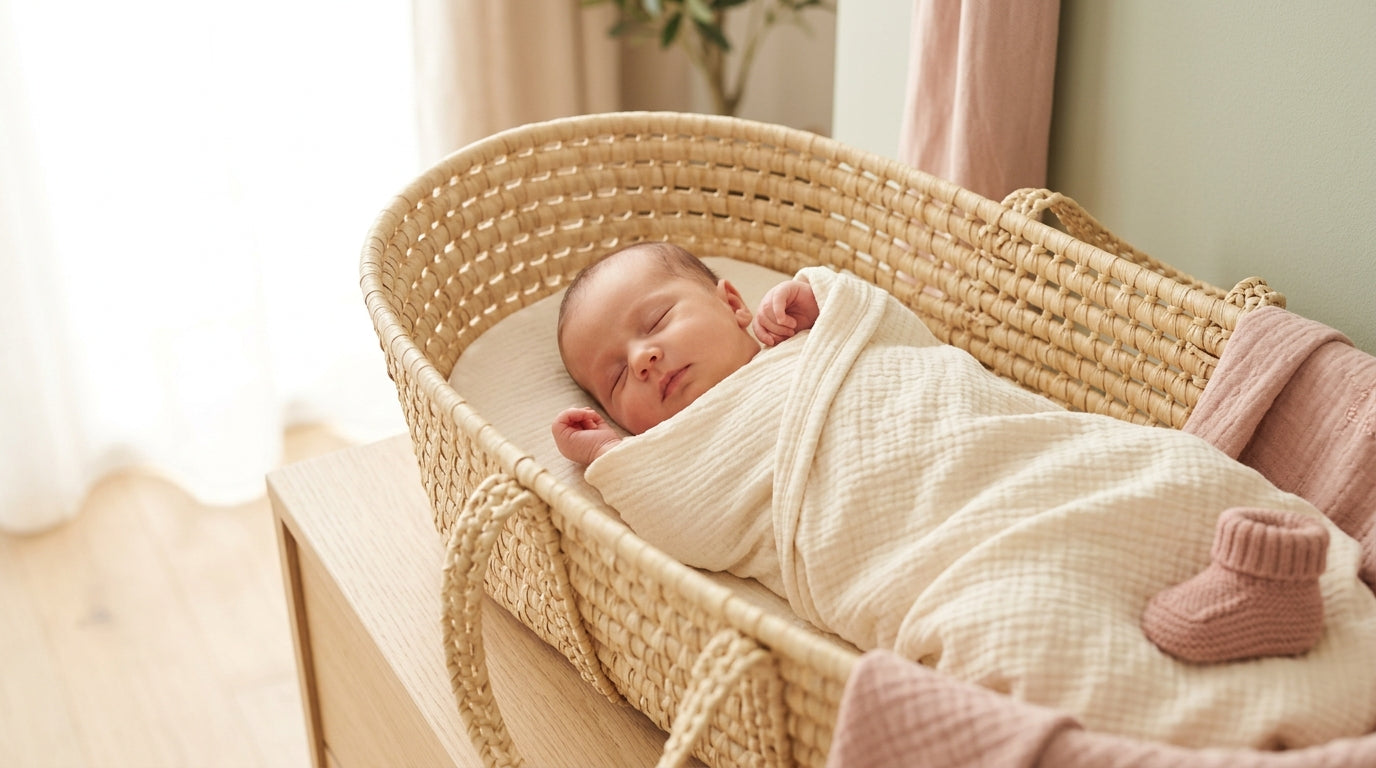
The operating room was literally freezing. I'm talking meat-locker cold, which nobody warns you about when you're prepping for an emergency C-section. I was shivering so hard my teeth were clicking together, staring at this giant blue paper drape while my husband Mark gripped my left hand so tightly his knuckles were practically translucent. The room smelled heavily of iodine and something sterile that I can't even describe, and there was this chaotic, rhythmic beeping happening in the background.
Then, a weird pulling sensation. A wet suction sound. And then... nothing.
Silence.
Terrifying.
I think my heart actually stopped beating. You watch all these movies where the baby comes out and instantly does this robust, theatrical wail, right? But Maya didn't. She was completely, utterly quiet. I remember croaking out to the anesthesiologist, "Why isn't she crying? Oh god, why isn't she crying?"
It felt like three hours. It was probably ten seconds. Finally, a sputtered cough, a tiny gasp, and then the most aggressive, furious, beautiful scream I've ever heard in my life. I started sobbing immediately. The relief is just—it's heavy, you know? Like a physical weight dropping off your chest onto the operating table.
The longest ten seconds of my absolute life
If you've ever found yourself in a late-night internet spiral wondering why do babies cry when born, you're definitely not alone. I mean, I spent a good chunk of my postpartum recovery frantically Googling it while Maya cluster-fed and I dripped lukewarm hospital coffee onto my mesh underwear.
My pediatrician, Dr. Miller, who has this incredibly calming, raspy voice like she's seen it all (which she has, she's a saint), explained it to me a few days later. I was sitting on that crinkly paper in her office, still totally traumatized by that silent pause in the OR. She basically told me that when they're inside you, a baby's lungs are just completely filled with amniotic fluid. They don't breathe air. They just float around in their warm little pool, getting all their oxygen through the umbilical cord like a built-in biological scuba tank.
So when they're suddenly evicted into a freezing, bright room, it's a massive physical shock. That first gasp they take? It's an automatic reflex because cold air hits their wet skin. And that initial cry acts like a literal pump. The force of the scream pushes all that leftover fluid out of their airways and pops their tiny little lung sacs open so they can take in oxygen for the first time. Dr. Miller even drew me a messy diagram on a yellow sticky note showing how their entire circulatory system basically re-routes blood away from the umbilical cord and into their newly working lungs. Wild, right?
And honestly, wouldn't you cry? Imagine being asleep in a warm bath and someone suddenly rips you out, blasts you with fluorescent lights, and makes you breathe freezing air while wearing wet skin. I'd scream my head off too.
Wait, so what actually happens with a C-section?
This is the part that would've saved me a massive panic attack if someone had just bothered to tell me beforehand. Dr. Miller said that C-section babies (like my Maya) or waterbirth babies don't always do the immediate movie-star wail.
With a vaginal birth, the babie gets physically squeezed through the birth canal. That squeeze acts like a giant hug that wrings a lot of the fluid out of their lungs naturally before their head even fully emerges. C-section babies miss that squeeze. They just get lifted straight out. So they sometimes need a minute to figure things out. Sometimes the nurses have to do that gentle suction thing with the little bulb syringe to clear the mucus before the baby can actually take a deep enough breath to cry.
So that terrifying silence? Totally normal for a surgical birth. Who knew? Not me, obviously. Anyway, the point is, they gave her a 9 on her Apgar score, which I thought meant she lost a point for scaring me half to death, but apparently, they rarely give 10s because newborns are basically blue when they come out.
And then they just... keep screaming
Okay, so the birth cry is literally for survival. Great. Fascinating science. But then you bring them home, and you realize you've a tiny roommate who uses screaming as their absolute only form of communication.

When Leo (my first) was about four weeks old, we hit peak "fourth trimester" hell. People always ask why do babies cry so much during those first few months, and honestly, it's because the outside world is a total sensory nightmare for them.
Think about it. In the womb, it's dark, it's 98.6 degrees, they're tightly squished, and it's honestly incredibly loud. Like, the sound of your blood rushing and your digestion is basically the volume of a vacuum cleaner running next to their ear. Then we take this literal tiny babie, put them in a quiet, still, giant flat crib in a bright room, and expect them to just chill out. It's ridiculous.
I remember one specific Tuesday night with Leo. It was 3:14 AM. I know this because I was staring dead-eyed at the green numbers on the microwave clock while bouncing on an exercise ball, holding a baby who was completely losing his mind. I was wearing a nursing bra that smelled heavily of sour milk and Mark's old college t-shirt from 2008. I was so exhausted my teeth hurt.
We tried everything. Feeding him, changing him, stripping him naked to check for tiny hairs wrapped around his toes (hair tourniquets are a real thing, totally terrifying, look it up). Nothing worked. According to Dr. Miller, if they cry for more than three hours a day, it's "colic." Which is just a fancy medical word for "we've no idea why they're mad, good luck."
How we basically built a fake womb in our living room
So, you read all the mommy blogs at 4 AM and they give you this massive, overwhelming list of things to try.
- Bicycle legs: Everyone says to pump their little legs for gas. Whatever. Never worked for Leo, he just screamed louder while I manipulated his tiny legs like a weird, sleep-deprived puppeteer. Moving on.
- Skin-to-skin: Yes, this is really magic. Stripping them down to their diaper and laying them on your bare chest controls their temperature and heart rate. Do this. It works. The hospital calls it "The Golden Hour" after birth, but it works at home too.
- Swaddling: Okay, this. THIS is the absolute holy grail.
If you're not swaddling your newborn into a tight little baby burrito, you're playing on hard mode. They have this thing called the Moro reflex, which is a startle reflex where their arms suddenly fling out, and it wakes them up and scares the absolute crap out of them.
You need a good swaddle blanket. And honestly, I've incredibly strong feelings about this. We were gifted so many weird, scratchy blankets that just unraveled immediately or didn't have enough stretch. You know those stiff, striped hospital blankets? Terrible for swaddling. The one that seriously saved our sanity was the Zebra Organic Cotton Blanket.
I'm not even exaggerating, Maya was completely obsessed with this thing. The fabric is this double-layer organic cotton that's super soft but has enough structure that she couldn't break out of the swaddle like a tiny, furious Houdini. But the best part? The pattern. It's this high-contrast black and white zebra print.
Newborns can't see colors well at all, they just see blurry blobs, but they CAN see high contrast. I'd swaddle her in it, and she would literally stop crying mid-scream just to cross her little eyes and stare at her own blanket. It was developmental magic and it gave me ten uninterrupted minutes to drink a cup of coffee. Absolute lifesaver.
(Wait, if you're drowning in baby gear research right now and just want the good stuff, you can check out all Kianao's organic blankets here. They're honestly worth the money.)
The clothes you put them in matter too
Another thing Dr. Miller mentioned when we were dealing with Leo's endless evening crying is that babies have incredibly sensitive skin. Like, they've been soaking in amniotic fluid for nine months. Their skin barrier is basically non-existent.

If you put them in clothes with rough seams, scratchy tags, or washed in heavy, heavily-perfumed detergents, they're going to be absolutely miserable. And they'll let you know by screaming until your ears ring.
We ended up getting the Long Sleeve Organic Cotton Bodysuit from Kianao. It's nice. The organic cotton is really buttery, and it has these lap shoulders so you can pull it down over their body instead of over their head when there's a massive diaper blowout. Which is great. But honestly? It's a bodysuit. Your sweet little babi is going to spit up on it, poop on it, and ruin it. It's soft and safe for their skin, which is the whole point, but don't expect it to stay pristine. Just buy a bunch of them and accept your laundry fate. You'll be doing laundry at 2 AM anyway.
Oh, and for general snuggling, we did love the Whale Organic Cotton Blanket for Leo. It's got this very calming gray, oceanic vibe. We got the giant 120x120cm one and it's still his toddler security blanket now at age four. He drags it everywhere—through the mud, into the kitchen, under the sofa. It's been washed roughly four million times and hasn't fallen apart, so respect to that GOTS-certified cotton, I guess.
When it's not just the temperature
Anyway, the point is, your newborn is going to cry. A lot. It's literally their only tool to tell you that they're cold, or hungry, or they just pooped, or the fluorescent lighting in the kitchen is personally offending them.
But that first cry? The one right after birth? It's the sound of life starting. It's the sound of their tiny lungs finally working. And even though those seconds of silence before Maya's first cry took a decade off my life, hearing her finally scream was the absolute best sound I'll ever hear.
You're doing great. Drink your coffee. Swaddle your kid. And if you need to set them down safely in their crib and walk out of the room for three minutes just to take a deep breath because the crying is making your vision blur? Do it. We've all been there.
Ready to grab some essentials that seriously help soothe your newborn without irritating their skin? Shop the Kianao organic collection right here before you dive into the FAQs.
The Messy 3 AM FAQs
Is it bad if my baby didn't cry the exact second they were born?
Oh god, no. Like I said, Maya was totally silent for what felt like an eternity. C-section babies and waterbirth babies often take a minute because they didn't get squeezed through the birth canal or didn't get that freezing air shock right away. As long as your doctors and nurses aren't panicked, try not to be. Which is impossible, I know, but they're okay!
How do I get my newborn to stop crying in the evening?
The witching hour is real, my friends. For us, it was all about mimicking the womb. Get a really good, stretchy swaddle (seriously, organic cotton is best so they don't overheat), turn on a white noise machine loud enough to sound like a jet engine, and bounce on an exercise ball. It's exhausting, and your back will hurt, but it's the only thing that works.
Why do they say crying is good for their lungs?
Dr. Miller explained that their lungs are basically squished little wet balloons inside the womb. Crying is the intense physical pressure that pops those tiny air sacs open and pushes the remaining amniotic fluid out so they can breathe actual oxygen. It's biology, even if it's unbelievably loud.
Are organic clothes really necessary or just a trendy parenting thing?
Look, I'm not a purist, but newborns have extremely reactive skin. When Leo had awful baby acne and weird rashes, switching to organic, undyed cotton genuinely made a huge difference. They don't have the tough chemical barriers we do. Plus, they're noticeably softer. But no, you don't have to be perfect—just do what you can with the budget you've.
Can babies really see the patterns on their blankets?
Not past, like, eight to twelve inches from their face in the beginning. But yes! High-contrast stuff, especially stark black and white patterns, are the very first things they can genuinely focus on. That's why Maya stared at her zebra blanket like it was the most fascinating thing on earth. It's a cool little brain-building trick that also happens to distract them from screaming.




Share:
Why Do Babies Spit Up All the Time? A Nurse's Guide to the Mess
Why do babies cry: A late-night letter to my exhausted self